
Best Personal Finance Books for Beginners: What to Read Before Making Major Money Decisions
Choosing the right personal finance book depends on the problem you are trying to solve. Explore practical books for budgeting, debt, investing, retirement, financial independence, money psychology, couples and young adults.

Choosing a personal finance book can feel harder than it should. There are books about budgeting, debt, investing, retirement, financial independence, money psychology and relationships - and many of them take very different approaches to managing money.
The right book depends on what you are trying to solve.
Someone struggling with credit card debt does not necessarily need an investing book. Someone in their 20s may need a different starting point than someone approaching retirement. And a couple trying to combine finances may benefit more from a book about money conversations than another general budgeting system.
This guide organizes personal finance books by use case, so you can choose a book that matches your current financial situation rather than simply following a bestseller list.
For broader resources covering budgeting, investing, retirement, career development and other money-related topics, visit the CoreAdorn Personal Finance & Career resource hub.
Note: Personal finance books are educational resources, not substitutes for individualized financial, tax or legal advice. Tax rules, retirement rules, account limits and other financial regulations can change, so verify current information with official sources or qualified professionals before making major decisions.
Quick Answer: Which Type of Personal Finance Book Should You Read?
There is no single personal finance book that fits every reader.
| Book | Best For | Key Consideration |
|---|---|---|
| I Will Teach You to Be Rich - Ramit Sethi | Building a broad money system | Practical and action-oriented, but its philosophy may not fit every household |
| Get Good with Money - Tiffany Aliche | Creating a financial foundation | Covers many areas, so readers wanting deep investing detail may need another resource |
| The Total Money Makeover - Dave Ramsey | Readers focused on debt reduction | Uses a specific debt-payoff philosophy that differs from other approaches |
| The Simple Path to Wealth - J.L. Collins | Beginner investing and financial independence | Strong focus on a relatively simple investing philosophy |
| The Psychology of Money - Morgan Housel | Understanding money behavior | More about financial behavior and decision-making than step-by-step budgeting |
| How to Make Your Money Last - Jane Bryant Quinn | Retirement planning | More useful for retirement-stage questions than someone just starting their first budget |
| Money for Couples - Ramit Sethi | Couples managing money together | Focuses heavily on communication, spending and shared financial goals |
| Broke Millennial - Erin Lowry | Young adults starting their financial lives | Written with younger readers in mind |
The goal is not to read all of them. Pick the book that addresses the financial decision in front of you.
When you buy through links on our site, we may earn an affiliate commission at no extra cost to you. This helps support our work.
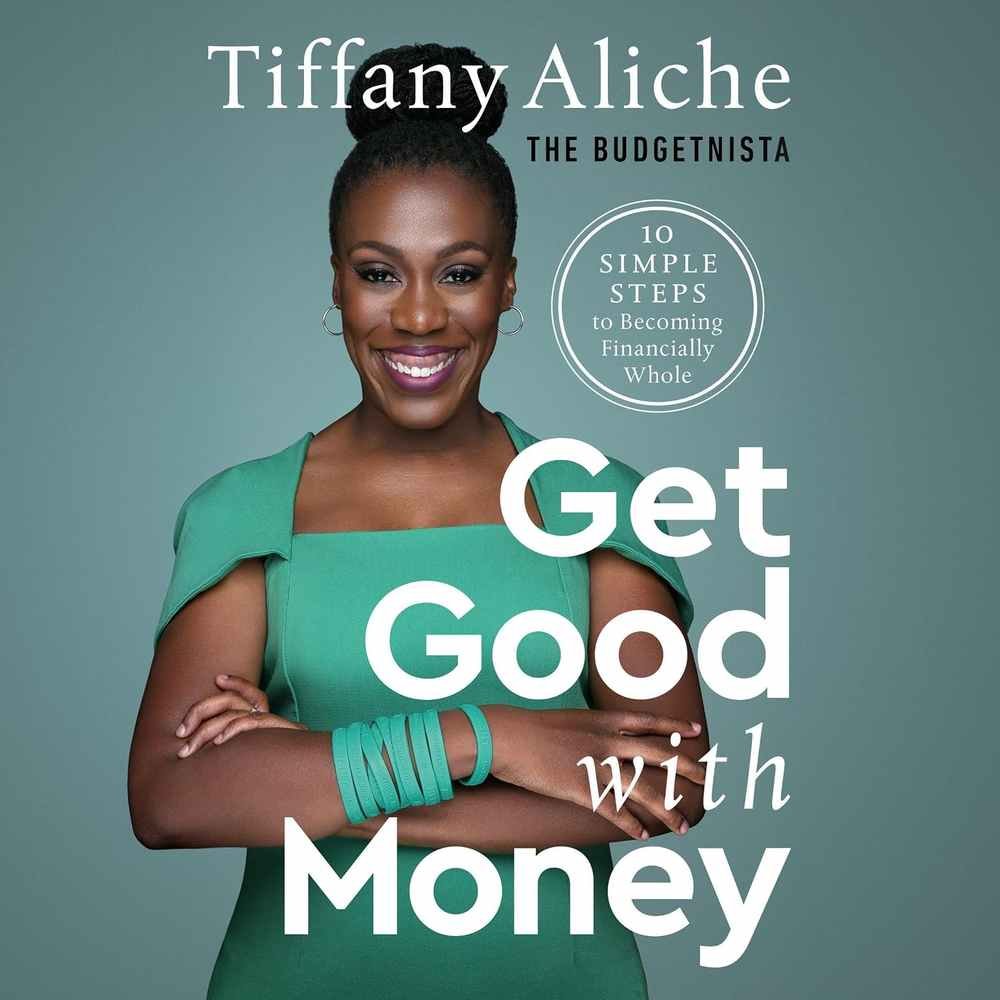
Get Good with Money: Ten Simple Steps to Becoming Financially Whole offers a practical, step-by-step approach to managing money. It covers budgeting, saving, debt, credit, investing, and building financial confidence. Th...
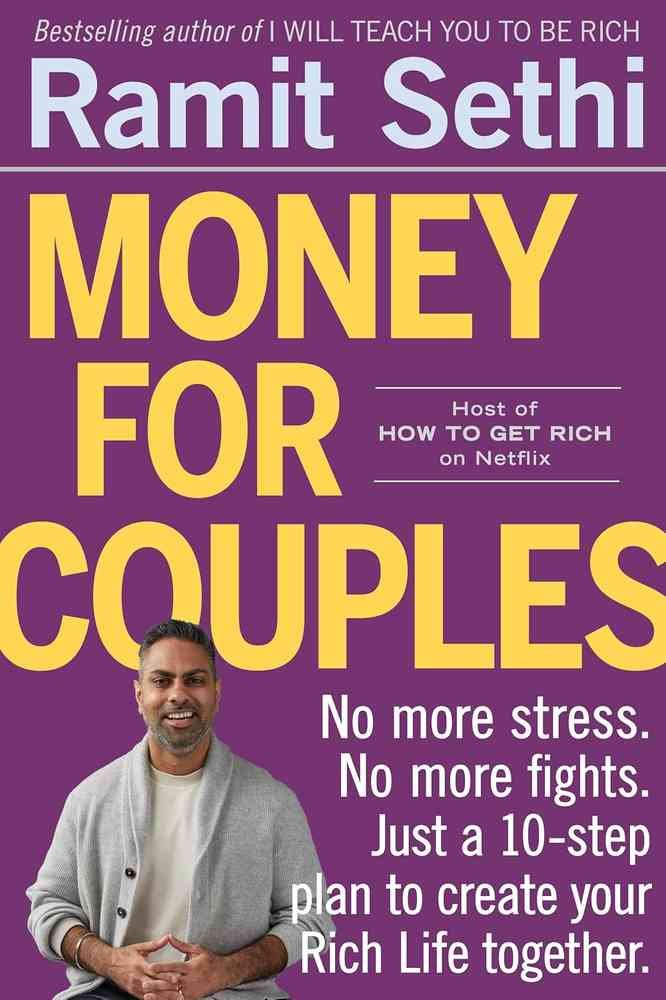
Money for Couples by Ramit Sethi offers a practical 10-step plan to help couples manage money without stress or fights. It covers spending, saving, debt, investing, and shared financial goals, helping partners build bett...
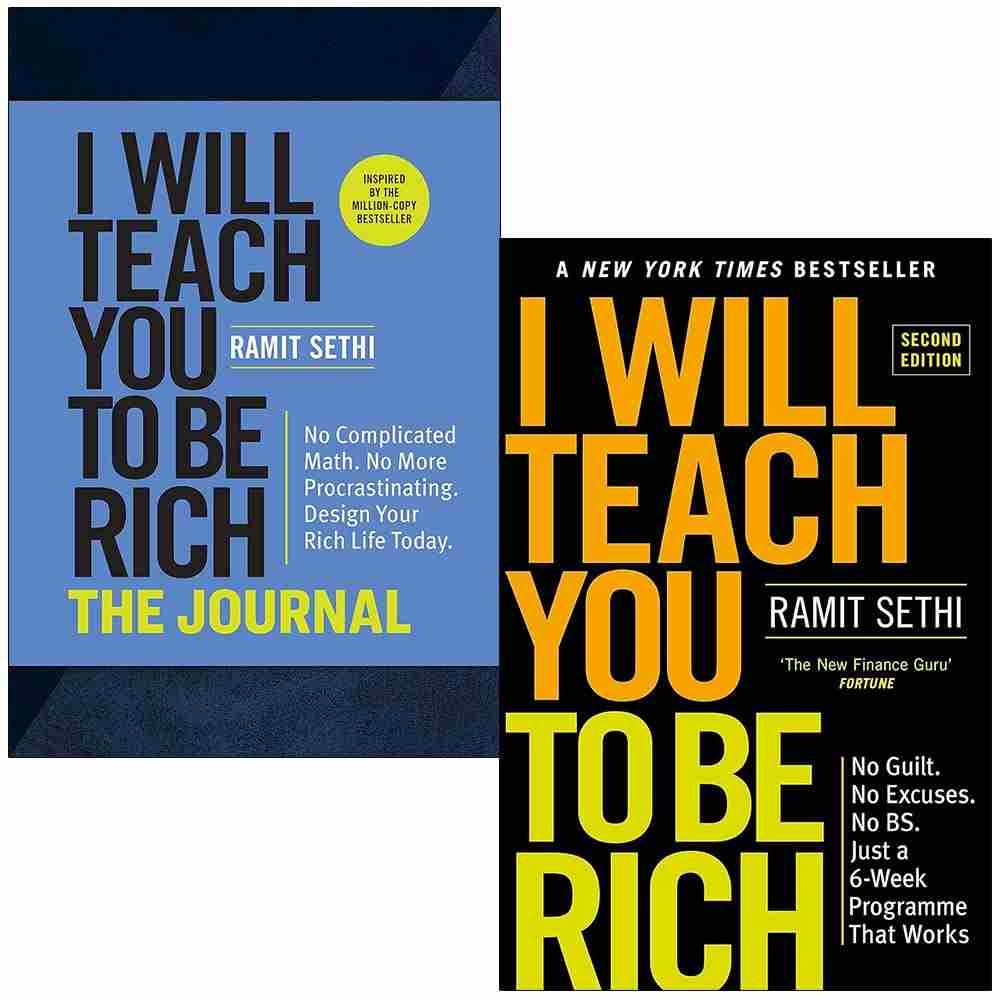
Ramit Sethi’s 2-book collection combines practical personal-finance guidance with an interactive journal. I Will Teach You to Be Rich, 2nd Edition covers spending, saving, investing, banking, debt, and building a financi...
Why Personal Finance Books Can Be Useful
A good personal finance book can give you something that random financial advice on social media often lacks: a complete framework.
Instead of learning isolated tips about credit cards, emergency funds, retirement accounts or investing, a structured book can show how those pieces fit together.
- How much money is coming in and going out
- How to build a workable spending plan
- How much cash to keep available
- How high-interest debt affects financial progress
- How employer retirement plans work
- How investing differs from saving
- How taxes affect financial decisions
- How financial behavior influences long-term results
Books also let you slow down. You can compare an author's assumptions with your own situation instead of making an immediate decision based on a short video or social-media post.
That does not mean every recommendation in a book will apply to you. Personal finance is highly dependent on income, debt, age, household circumstances, taxes, goals and risk tolerance.
How to Choose a Personal Finance Book
If Your Main Problem Is Budgeting
Look for a book that gives you a practical system for tracking income, expenses, savings and financial priorities.
If Debt Is Your Biggest Concern
Choose a book that gives you a clear debt-reduction framework.
Pay attention to how the author treats different types of debt. Credit-card debt, student loans, mortgages and low-interest loans do not necessarily require the same strategy.
You can also pair a book with a practical debt payoff planner .
If You Want to Learn Investing
Look for books that explain concepts rather than promising particular investment results.
A useful beginner investing book should help you understand topics such as diversification, asset allocation, fees, risk, market volatility and long-term investing.
For additional reading, see the CoreAdorn guide to investing books for beginners .
If Retirement Is the Immediate Concern
Look for material covering retirement income, Social Security, taxes, healthcare, investment withdrawals and longevity.
Retirement planning becomes increasingly personal as you get closer to leaving the workforce. A book can provide education, but your final decisions may require current government information and professional advice.
See our retirement planning resources for additional guidance.
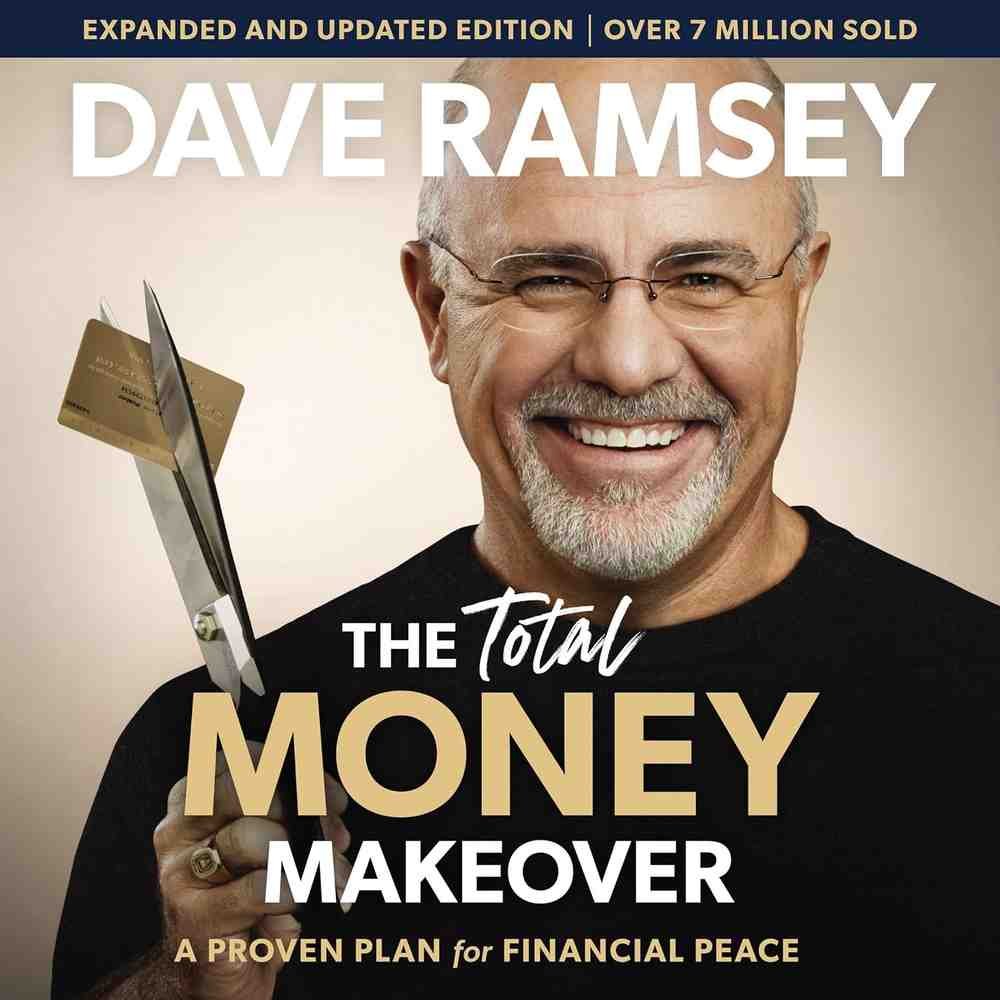
The Total Money Makeover: Updated and Expanded presents a straightforward plan for improving your finances through budgeting, debt reduction, saving, and disciplined money habits. Dave Ramsey focuses on practical steps d...
Budgeting Books
I Will Teach You to Be Rich - Ramit Sethi
Best for: Readers who want a broad, practical financial system.
Main topic: Money management, saving, debt, banking, spending and investing.
What you'll learn: The second edition presents a six-week framework covering areas such as debt, banking, automation, saving, spending and investing.
Strengths:
- Covers several areas of personal finance in one book
- Emphasizes taking action
- Includes guidance around automating finances
- Uses a relatively conversational writing style
- Connects spending decisions with personal priorities
Limitations:
- The author's approach is not the only valid way to manage money
- Readers looking for detailed retirement planning may need another resource
- Some recommendations may need to be adapted to individual circumstances
Who may want another book: Someone primarily dealing with severe debt or someone specifically researching retirement income may benefit from a more focused book first.
Get Good with Money - Tiffany Aliche
Best for: Readers who want to organize several areas of their financial life at once.
Main topic: Financial organization, saving, debt, credit, investing and long-term financial goals.
What you'll learn: Aliche presents a ten-step framework built around financial security and organization, including saving, debt repayment, credit and investing.
Strengths:
- Broad coverage for beginners
- Practical approach
- Useful for readers who feel overwhelmed by multiple financial problems
- Covers more than just budgeting
Limitations:
- The breadth means individual topics are not covered with the depth of specialist books
- Investors looking for advanced portfolio analysis will need additional material
Who may want another book: Readers who already have a strong financial system and want a specialized investing or retirement text.
Get Good with Money: Ten Simple Steps to Becoming Financially Whole offers a practical, step-by-step approach to managing money. It covers budgeting, saving, debt, credit, investing, and building financial confidence. Th...
Ramit Sethi’s 2-book collection combines practical personal-finance guidance with an interactive journal. I Will Teach You to Be Rich, 2nd Edition covers spending, saving, investing, banking, debt, and building a financi...
Debt Books
The Total Money Makeover - Dave Ramsey
Best for: Readers who want a highly structured debt-payoff framework.
Main topic: Debt reduction, budgeting, emergency savings and building wealth.
What you'll learn: Ramsey's approach uses a seven-step framework covering budgeting, debt repayment, emergency savings and long-term wealth building.
Strengths:
- Very structured
- Easy for beginners to follow
- Gives readers specific stages to work through
- Strong emphasis on behavior and consistency
Limitations:
- It follows a particular financial philosophy
- Some readers may prefer approaches that place greater emphasis on mathematical optimization of interest rates or investing
- The recommendations should be evaluated against your individual circumstances
Who may want another book: Readers who want several competing approaches to debt management before choosing a strategy.
If debt is your immediate problem, combine your reading with a practical debt payoff planner .
The Total Money Makeover: Updated and Expanded presents a straightforward plan for improving your finances through budgeting, debt reduction, saving, and disciplined money habits. Dave Ramsey focuses on practical steps d...
Investing Education Books
The Simple Path to Wealth - J.L. Collins
Best for: Beginners who want to understand a relatively simple approach to long-term investing and financial independence.
Main topic: Investing, financial independence, market behavior and long-term wealth building.
What you'll learn: The revised and expanded edition explains Collins' approach to investing and financial independence, including how to think about market downturns and maintaining a simple long-term strategy.
Strengths:
- Accessible explanation of investing concepts
- Strong focus on simplicity
- Connects investing with financial independence
- Useful for readers who find investing unnecessarily complicated
Limitations:
- Its approach is deliberately focused rather than encyclopedic
- It should not be treated as a personalized investment plan
- Readers wanting extensive coverage of taxes, insurance and retirement-income planning may need additional resources
Who may want another book: Investors who want a broader survey of asset allocation, retirement planning, taxes and financial planning.
Amazon: [AFFILIATE LINK: The Simple Path to Wealth]
The Psychology of Money - Morgan Housel
Best for: Readers who want to understand why people make financial decisions the way they do.
Main topic: Financial behavior, risk, wealth, investing psychology and decision-making.
What you'll learn: Housel uses 19 stories to explore how behavior, personal history, incentives and emotions affect financial decisions.
Strengths:
- Easy entry point for readers interested in money psychology
- Encourages long-term thinking
- Helps explain why knowing financial concepts does not always lead to good financial behavior
- Useful alongside more practical finance books
Limitations:
- It is not a step-by-step budgeting system
- Readers looking for detailed investing instructions may find it too conceptual
Who may want another book: Someone who needs a specific action plan for debt, budgeting or retirement.
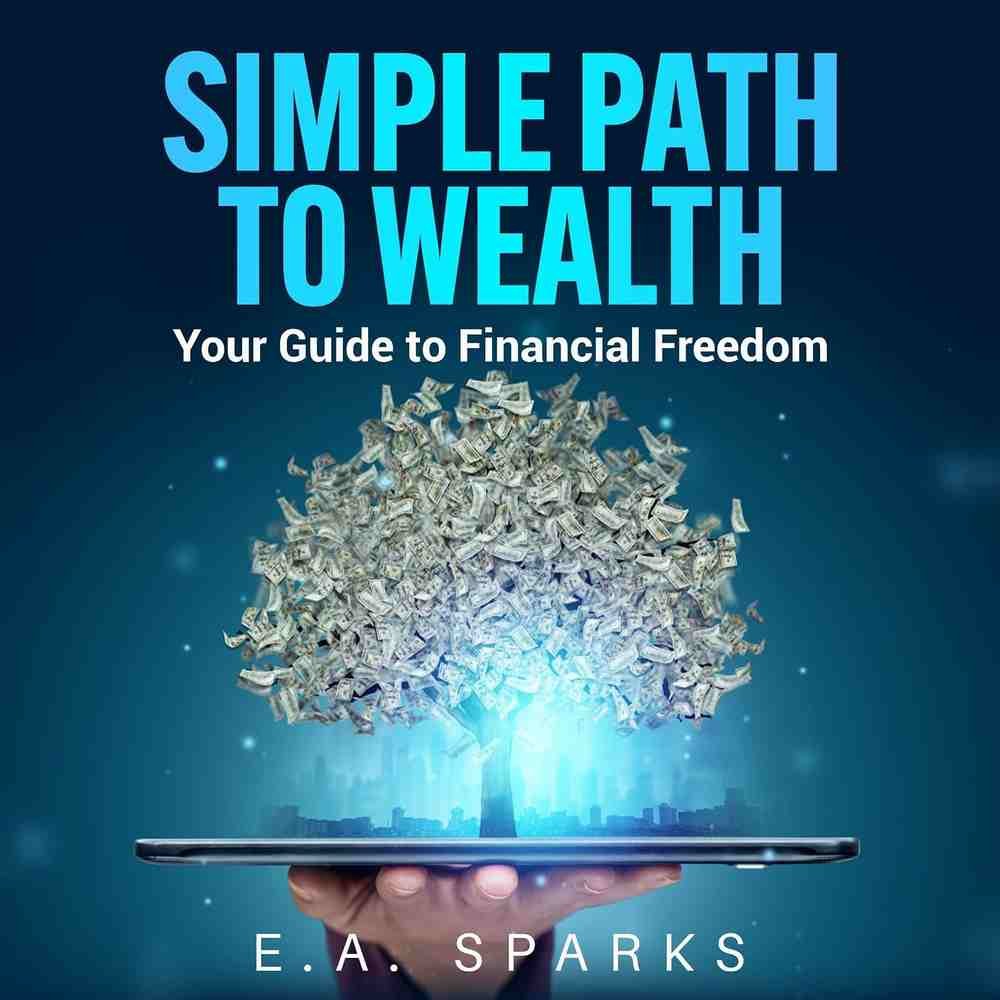
Simple Path to Wealth: Your Guide to Financial Freedom offers an accessible introduction to building wealth and working toward financial independence. It focuses on developing better money habits, saving consistently, in...
Retirement Books
How to Make Your Money Last - Jane Bryant Quinn
Best for: People approaching retirement or already thinking about how to turn savings into retirement income.
Main topic: Retirement income, Social Security, savings, investments, pensions, home equity and longevity.
What you'll learn: Quinn's updated edition discusses ways to make retirement assets last, including Social Security, pensions, home equity, savings, retirement accounts and sustainable spending.
Strengths:
- Focuses on the transition from accumulating money to using it
- Addresses several sources of retirement income
- Useful for readers thinking about longevity and spending in retirement
Limitations:
- Retirement rules and tax regulations can change
- Some information should be cross-checked against current government sources
- Less useful as a first personal-finance book for someone just starting out
Who may want another book: Young workers who primarily need help with budgeting, debt or beginning to invest.
The Bogleheads' Guide to Retirement Planning
Best for: Readers who want broad retirement-planning coverage.
Main topic: Retirement accounts, investing, taxes, insurance and estate planning.
What you'll learn: The book covers a broad spectrum of retirement planning, including investments, taxes, retirement plans, insurance and estate planning.
Strengths:
- Broad retirement scope
- Covers areas beyond investing alone
- Useful as a reference-style resource
Limitations:
- It is older than some newer retirement resources
- Tax and retirement rules should always be checked against current sources
- The investing section is not intended to cover every investing question in depth
Who may want another book: Readers who want a simpler introduction before tackling a broad retirement-planning reference.
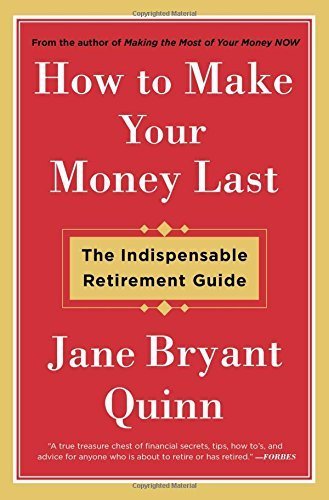
How to Make Your Money Last by Jane Bryant Quinn is a practical retirement guide for making your savings last throughout your later years. It covers smart withdrawal strategies, Social Security, investments, taxes, healt...
Simple Path to Wealth: Your Guide to Financial Freedom offers an accessible introduction to building wealth and working toward financial independence. It focuses on developing better money habits, saving consistently, in...
Financial Independence Books
Your Money or Your Life - Vicki Robin and Joe Dominguez
Best for: Readers interested in the relationship between money, work, spending and financial independence.
Main topic: Financial independence, spending, life energy and personal priorities.
What you'll learn: The book encourages readers to reconsider the relationship between earning, spending and the amount of life energy devoted to earning money.
Strengths:
- Encourages readers to think beyond income and investment returns
- Useful for people questioning lifestyle inflation
- Connects financial decisions with personal goals
Limitations:
- Some concepts are more philosophical than tactical
- It is not a substitute for detailed tax or investment planning
Who may want another book: Readers who want a concrete investing framework rather than a broader examination of money and life choices.
How to Make Your Money Last by Jane Bryant Quinn is a practical retirement guide for making your savings last throughout your later years. It covers smart withdrawal strategies, Social Security, investments, taxes, healt...
Money Psychology Books
The Psychology of Money is particularly useful here because it approaches personal finance through behavior rather than spreadsheets.
A reader may understand compound interest perfectly well and still struggle with:
- Lifestyle inflation
- Emotional spending
- Fear during market declines
- Comparing their finances with friends
- Taking excessive financial risks
- Changing strategies too frequently
That is why financial education should not be limited to calculations.
A practical combination can be more useful than relying on one book: use a behavioral book such as The Psychology of Money alongside a practical budgeting, debt or investing resource.
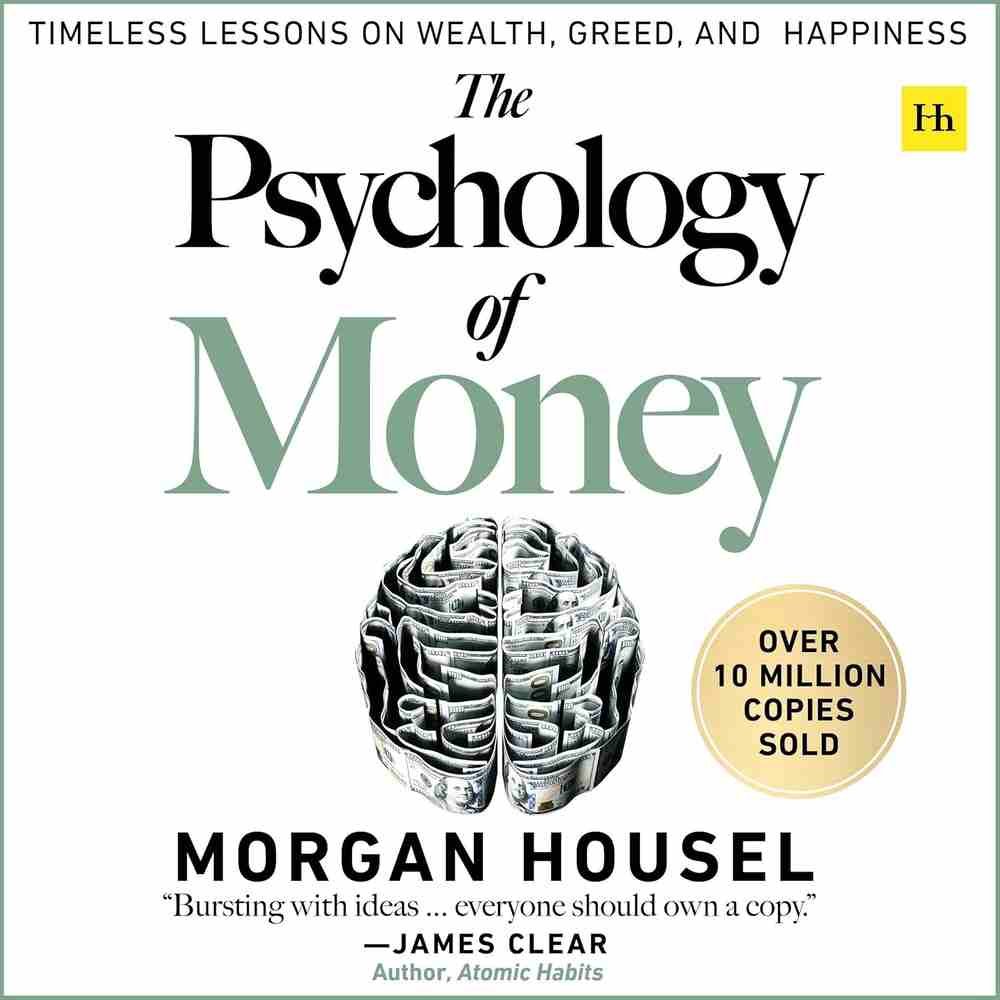
The Psychology of Money explores how emotions, behavior, and personal experiences influence financial decisions. Morgan Housel shares timeless lessons about saving, investing, wealth, risk, and long-term thinking. Rather...
Personal Finance Books for Couples
Money for Couples - Ramit Sethi
Best for: Couples who need a framework for talking about money and making financial decisions together.
Main topic: Shared finances, spending, debt, money differences and financial communication.
What you'll learn: Sethi's book focuses on common relationship-money issues, including getting both partners involved, handling saver-versus-spender differences and dealing with debt.
Strengths:
- Directly addresses financial conversations between partners
- Recognizes that couples can have different attitudes toward spending and saving
- Combines money management with communication
Limitations:
- Couples seeking detailed investment or retirement analysis will need additional resources
- Its framework may not match every household's financial structure
Who may want another book: Couples who already communicate well about money but need detailed retirement or investment education.
Smart Couples Finish Rich - David Bach
Best for: Couples looking for a structured framework for discussing shared financial goals.
Main topic: Joint financial planning, saving, investing, debt, long-term goals and financial communication.
What you'll learn: The revised edition addresses topics ranging from credit-card management to investment advice and long-term care, while emphasizing financial planning as a shared activity.
Strengths:
- Specifically designed around couples
- Covers multiple stages of financial planning
- Can provide a framework for money conversations
Limitations:
- Some readers may prefer newer material
- Current tax and financial rules should be verified independently
Who may want another book: Couples who want a newer resource focused specifically on communication and money psychology.
Money for Couples by Ramit Sethi offers a practical 10-step plan to help couples manage money without stress or fights. It covers spending, saving, debt, investing, and shared financial goals, helping partners build bett...
Personal Finance Books for Young Adults
Broke Millennial - Erin Lowry
Best for: Young adults who are just beginning to manage money independently.
Main topic: Budgeting, financial organization, debt, relationships and getting started with personal finance.
What you'll learn: Lowry's book is designed around young adults dealing with practical money questions and uses a conversational approach rather than highly technical financial language.
Strengths:
- Written with younger readers in mind
- Approachable tone
- Useful for people who feel intimidated by financial terminology
Limitations:
- Readers with more advanced financial knowledge may outgrow it
- It should be supplemented with current information about U.S. financial rules and account limits
Who may want another book: Readers who already understand budgeting and debt and want deeper investing or retirement material.
Broke Millennial Workbook - Erin Lowry
Best for: Readers who prefer exercises and hands-on financial organization.
Main topic: Applying personal finance concepts to individual circumstances.
What you'll learn: The workbook is designed to help readers work through their own financial numbers and goals rather than simply reading about financial concepts.
Strengths:
- More interactive than a traditional finance book
- Useful for turning reading into action
- Appropriate for readers who learn by doing
Limitations:
- A workbook may feel repetitive if you already use budgeting software or a detailed financial spreadsheet
- It does not replace specialized investing or retirement education
Who may want another book: Readers who already have a strong budgeting system and want deeper investing or retirement education.
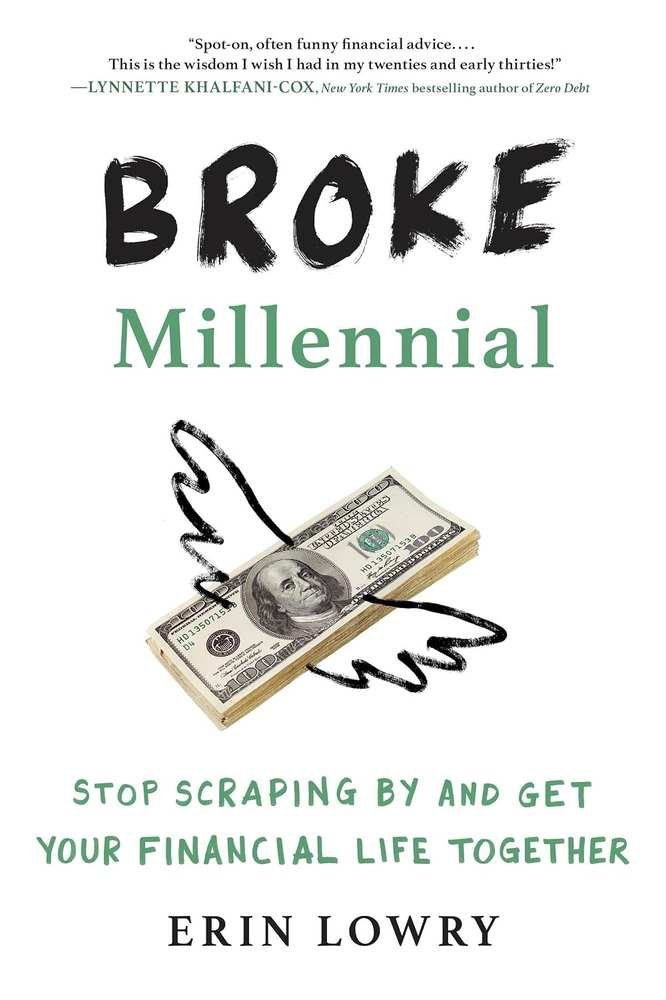
Broke Millennial by Erin Lowry is a practical, approachable guide to getting your finances under control. It covers budgeting, saving, debt, credit, investing, and money conversations, helping young adults build better f...
A Simple Reading Path Based on Your Goal
| Your Situation | Start With | Then Consider |
|---|---|---|
| You need a complete financial foundation | I Will Teach You to Be Rich or Get Good with Money | A focused debt, investing or retirement book |
| You are dealing with significant debt | The Total Money Makeover | A debt payoff planner and additional debt resources |
| You are learning to invest | The Simple Path to Wealth | Broader investing education |
| You want to understand money behavior | The Psychology of Money | A practical financial system |
| You are approaching retirement | How to Make Your Money Last | Current Social Security, tax and retirement resources |
| You and your partner disagree about money | Money for Couples | A shared financial planning system |
| You are a young adult starting out | Broke Millennial | Investing and retirement education |
How to Turn a Finance Book Into Action
Reading alone does not improve your finances.
After each major section, turn the idea into one practical task.
- Read about budgeting. Build a monthly spending plan.
- Read about emergency savings. Decide on a realistic cash-reserve target.
- Read about debt. List every balance, interest rate and minimum payment.
- Read about investing. Identify which retirement and investment accounts you currently have.
- Read about retirement. Estimate your retirement income needs.
- Read about money psychology. Identify one spending habit you want to change.
- Read about couples and money. Schedule a monthly financial conversation.
If you prefer physical tools, a planner can turn a book's concepts into a recurring routine. See the CoreAdorn guide to productivity and financial planners for professionals .
Common Mistakes When Choosing Personal Finance Books
Choosing a Book Because It Is Popular
Popularity does not mean a book matches your circumstances.
A debt-focused book may be useful for someone carrying high-interest balances but unnecessary for someone who is already debt-free and trying to plan retirement.
Reading Several Books Without Implementing Anything
Five books can produce less progress than one book followed by a completed budget, debt plan or investment-account review.
Treating One Author's Philosophy as Universal
Personal finance authors often disagree about debt repayment, credit cards, emergency funds, investing, housing, retirement withdrawals, spending and financial independence.
Compare the reasoning rather than assuming one author has the only correct answer.
Using Outdated Tax or Retirement Information
Books can remain useful for concepts while becoming outdated on specific rules.
Before acting on tax, retirement-account or Social Security information, verify the current rules through authoritative U.S. sources.
Buying a Book When a Tool Is What You Actually Need
If you already understand how budgeting works but cannot keep track of expenses, another book may not solve the problem.
You might need a budget planner, spreadsheet, financial dashboard or automated system instead.
What to Read After the Basics
Once you have a general understanding of personal finance, you can move into more specialized subjects.
CoreAdorn's Personal Finance & Career category is designed to organize those next steps. You can return to the Personal Finance & Career hub for resources covering money management, career development, productivity, remote work and entrepreneurship.
- Best Personal Finance Books for Beginners
- Best Debt Payoff Planners
- Best Tax Organizers for U.S. Households
- Best Career Planners for Professionals
- Best Interview Preparation Books
- Best Salary Negotiation Books & Resources
- Best Productivity Planners for Professionals
- Best Home Office Products for Remote Workers
- Best Side Hustle Books for Beginners
Who Should Buy a Personal Finance Book?
- People starting to manage their finances independently
- Readers who want a structured way to learn financial concepts
- People who need help organizing money decisions
- Readers who want to understand investing before putting money into the market
- People preparing for retirement
- Couples who want to improve financial communication
- People who prefer learning from longer, structured explanations
Who May Want Something Else?
A book may not be the right first step if you need individualized tax advice, are dealing with a complex estate, have significant financial or legal obligations, need professional investment planning or are facing severe financial hardship.
In those situations, a qualified professional, nonprofit counseling organization, official government resource or practical financial-management tool may be more appropriate.
Frequently Asked Questions
What is the best personal finance book for a complete beginner?
There is no single best choice for every beginner. A broad introductory book such as I Will Teach You to Be Rich or Get Good with Money can provide a starting framework across several areas. If your immediate issue is debt, investing or retirement, a book focused specifically on that problem may be more useful.
Should I read a budgeting book before an investing book?
For many beginners, understanding cash flow and establishing a basic financial foundation first makes investing easier to understand. However, the order does not have to be rigid. You can learn investing concepts while building a budget, provided you understand that investing involves risk and is different from keeping money in cash.
Are personal finance books still useful when financial rules change?
Yes, but separate general principles from time-sensitive rules. Concepts such as budgeting, diversification, spending behavior and long-term planning can remain useful for years. Tax brackets, contribution limits, retirement rules and government programs can change, so verify those details using current official sources before acting.
What personal finance book is useful for couples?
Money for Couples by Ramit Sethi focuses specifically on financial communication, shared goals, spending differences and debt. Smart Couples Finish Rich by David Bach is another couples-focused option covering broader financial planning. The better fit depends on whether your main challenge is communication or broader financial organization.
What should young adults learn about money first?
A useful starting sequence is cash flow, emergency savings, credit, debt, retirement accounts and basic investing. Young adults do not need to understand every investment product immediately. A practical beginner book such as Broke Millennial can provide a starting framework before moving into more specialized investing and retirement material.
Can a personal finance book replace a financial advisor?
Generally, no. A book can provide education and frameworks, but it cannot evaluate your complete financial situation or provide individualized professional advice. Complex tax, investment, estate or retirement decisions may require a qualified professional who can review your circumstances and current rules.
How many personal finance books should I read?
There is no useful target number. One well-matched book followed by actual implementation can be more valuable than reading ten books without changing anything. Start with the financial problem you are trying to solve, choose one suitable resource and then look for a second perspective if the subject involves significant financial decisions.
Are older personal finance books worth reading?
They can be, particularly when they teach enduring concepts such as financial behavior, budgeting or long-term investing. But older books can contain outdated information about tax laws, contribution limits, financial products or government programs. Treat those details as historical guidance and verify current rules before making a decision.
Final Thoughts
A personal finance book should help you make your next financial decision with more context - not convince you that one author's system is the only way to manage money.
Start with the problem that matters most right now. If you need a financial foundation, choose a broad beginner book. If debt is holding you back, choose a debt-focused resource. If you are learning to invest, study investing before committing money. If retirement is approaching, focus on income planning and the rules that apply to your situation.
The most useful book is ultimately the one you can understand, question and put into practice.
For more resources across budgeting, investing, retirement, career development and professional productivity, continue with the CoreAdorn Personal Finance & Career hub .
CoreAdorn is reader-supported. When you buy through links on our site, we may earn an affiliate commission.
0 Comments
Be the first to comment.
Leave a comment
Please use kind words and keep your comment on topic. Comments are reviewed by the CoreAdorn team before they appear.