
Best Investing Books for Beginners: 6 Books to Start With
Choosing the right investing book can make learning the stock market easier. Compare six beginner-friendly books covering investing psychology, index funds, portfolio building, stock picking, market theory and value investing.
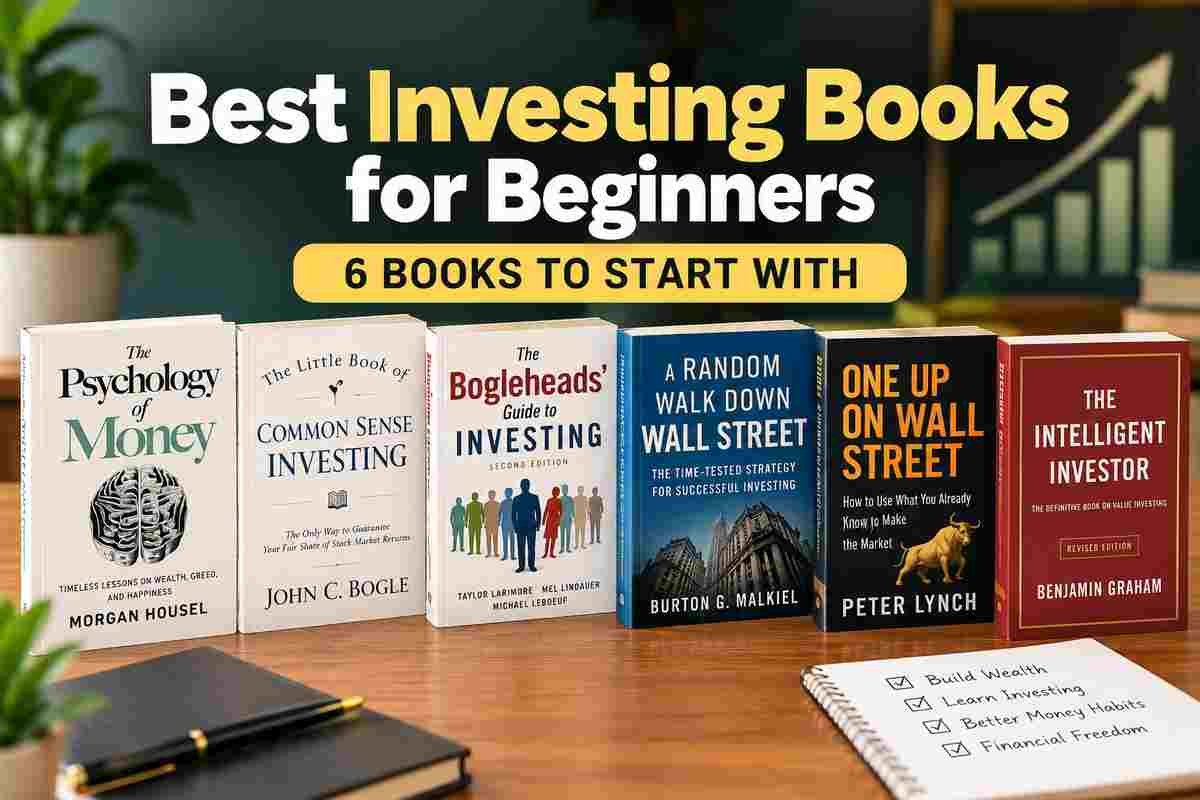
If you're new to investing, the right book can help you understand the stock market, build better financial habits, and avoid some of the mistakes beginners commonly make. But not every investing book teaches the same thing.
Some books focus on investing psychology. Others explain index funds and long-term investing, while others teach stock picking or value investing.
We've selected six investing books that cover these different approaches so you can choose one based on what you actually want to learn rather than simply picking the most popular title.
Quick answer: If you're completely new to investing, The Psychology of Money is a strong place to start because it focuses on financial behavior and long-term thinking. If you want to learn simple index investing, The Little Book of Common Sense Investing is a more targeted choice. Readers interested in individual stocks may prefer One Up on Wall Street.
Best Investing Books for Beginners at a Glance
| Book | Best For | Difficulty |
|---|---|---|
| The Psychology of Money | Investing psychology and money behavior | Easy |
| The Little Book of Common Sense Investing | Index and passive investing | Easy |
| The Bogleheads' Guide to Investing | Building a practical investment plan | Easy–Moderate |
| A Random Walk Down Wall Street | Understanding markets and investing strategies | Moderate |
| One Up on Wall Street | Learning individual stock picking | Moderate |
| The Intelligent Investor | Value investing | Advanced |
The six books cover noticeably different approaches to investing. For example, The Psychology of Money focuses heavily on behavior, while A Random Walk Down Wall Street makes a broader case for diversification and long-term investing. One Up on Wall Street takes a more direct interest in researching individual companies.
When you buy through links on our site, we may earn an affiliate commission at no extra cost to you. This helps support our work.
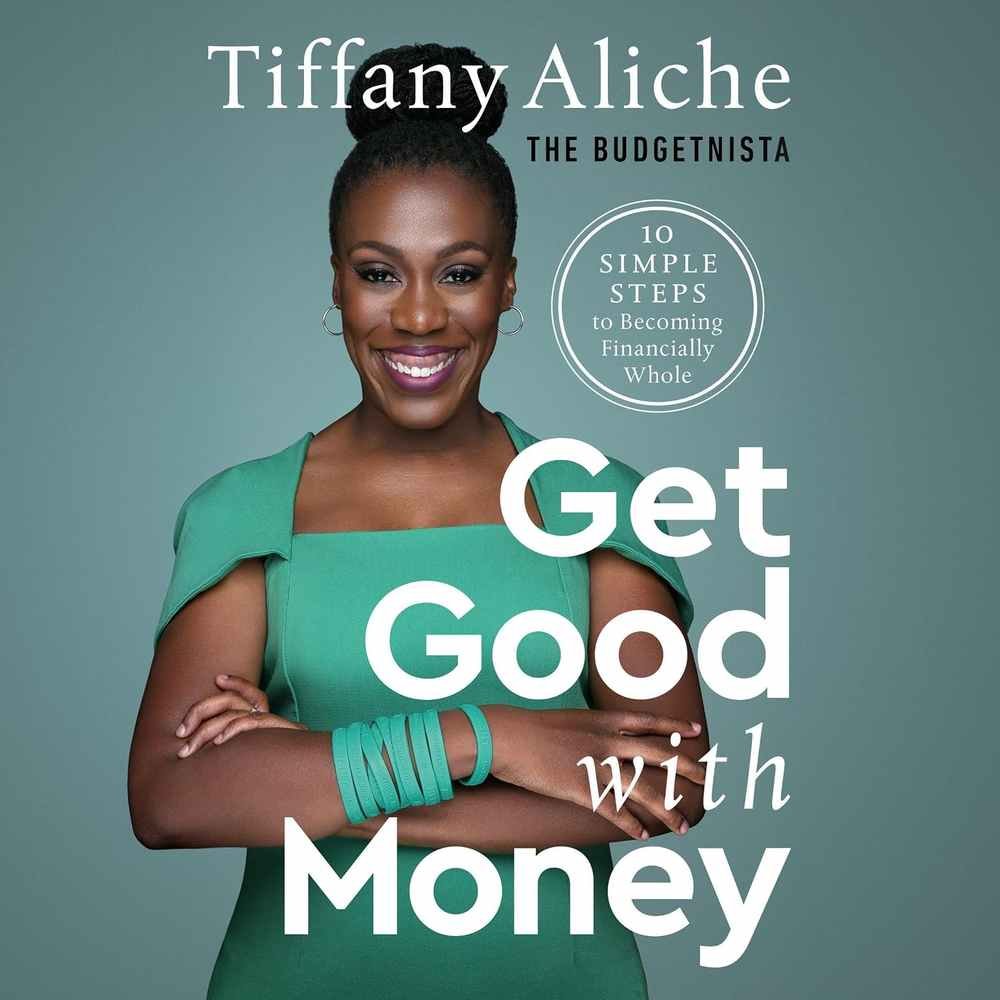
Get Good with Money: Ten Simple Steps to Becoming Financially Whole offers a practical, step-by-step approach to managing money. It covers budgeting, saving, debt, credit, investing, and building financial confidence. Th...
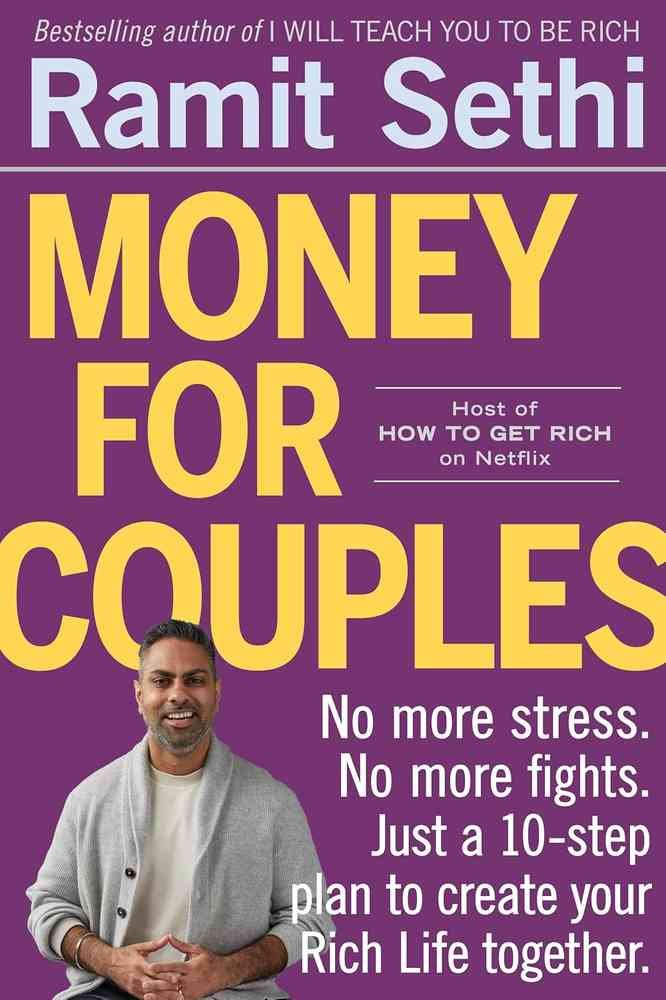
Money for Couples by Ramit Sethi offers a practical 10-step plan to help couples manage money without stress or fights. It covers spending, saving, debt, investing, and shared financial goals, helping partners build bett...
How We Chose These Investing Books
There isn't one book that can teach every aspect of investing. That's why this list isn't simply a ranking of six famous financial books.
Instead, we looked for books that give beginners useful perspectives on different parts of the investing process.
We considered:
- How accessible the book is to someone with little investing experience
- How clearly it explains investing concepts
- Whether the lessons are practical
- What type of investing approach the book teaches
- How useful the book is as a starting point
- Whether the book complements other investing resources
- How much technical knowledge a reader needs before starting
Most importantly, we looked at what each book is actually good at. A book doesn't have to teach everything to be useful.
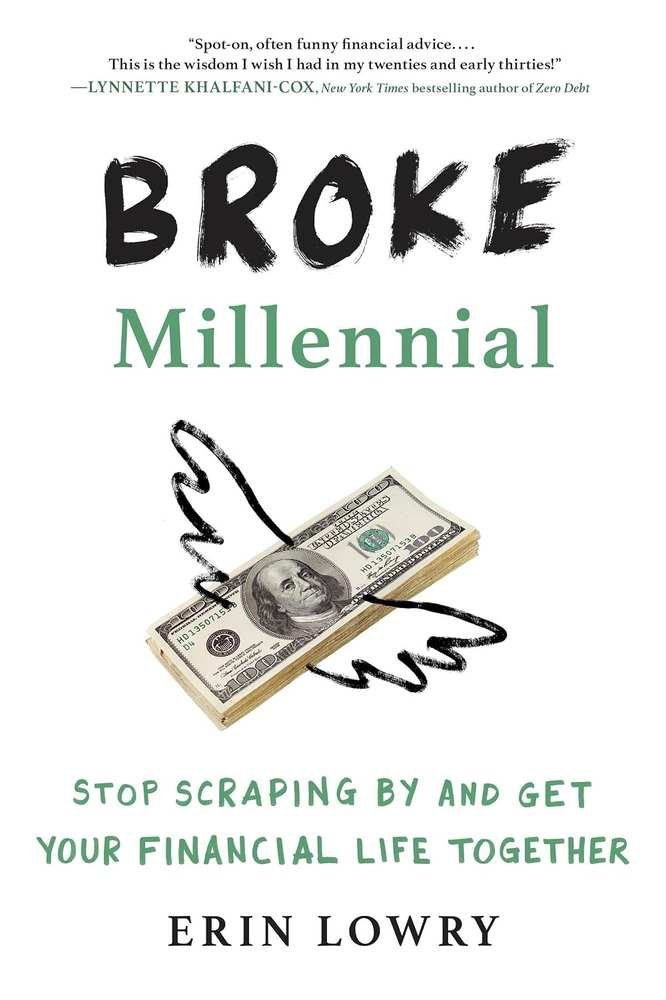
Broke Millennial by Erin Lowry is a practical, approachable guide to getting your finances under control. It covers budgeting, saving, debt, credit, investing, and money conversations, helping young adults build better f...
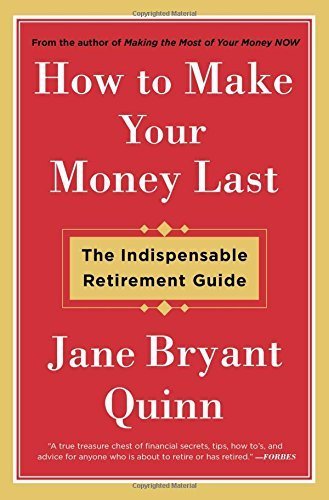
How to Make Your Money Last by Jane Bryant Quinn is a practical retirement guide for making your savings last throughout your later years. It covers smart withdrawal strategies, Social Security, investments, taxes, healt...
The Psychology of Money - Best for Investing Psychology
The Psychology of Money by Morgan Housel is a strong starting point for readers who want to understand the behavioral side of money and investing.
Instead of concentrating on stock valuation or portfolio formulas, the book explores how emotions, personal experiences, risk, luck, patience and financial behavior affect the decisions people make with money.
That makes it particularly approachable for someone who has never invested before.
What You'll Learn
- Why investing behavior matters
- How compounding works over long periods
- The relationship between luck and risk
- Why getting wealthy and staying wealthy can require different behaviors
- Why patience matters when investing
- Why having enough can be more important than constantly pursuing higher returns
Best For
Complete beginners and readers who want to develop a better investing mindset.
It is not a stock-picking manual or a step-by-step portfolio guide. Its strength is helping readers think more clearly about money before moving into more technical investing material.
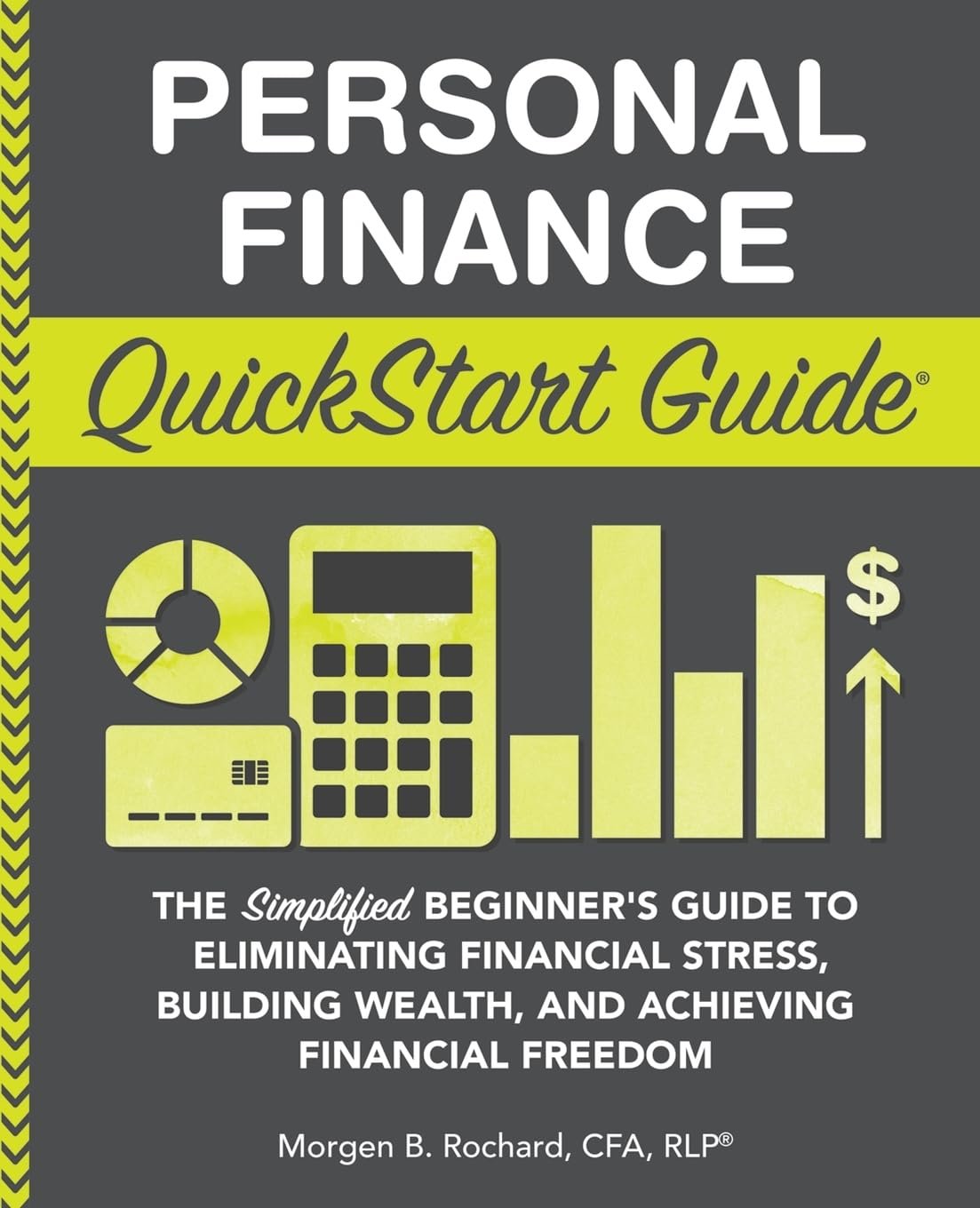
Personal Finance QuickStart Guide is a beginner-friendly resource for taking control of your money. It covers budgeting, debt reduction, saving, investing, wealth building, and financial planning, offering simple strateg...
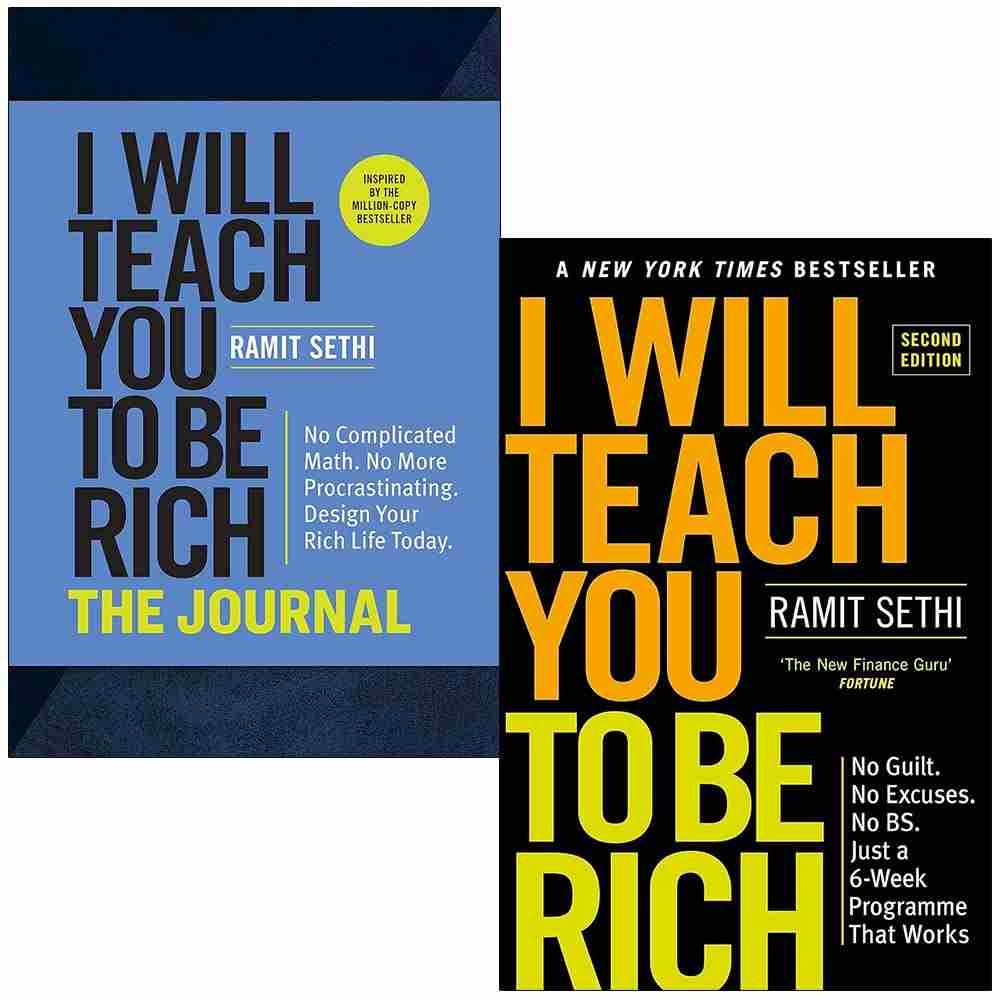
Ramit Sethi’s 2-book collection combines practical personal-finance guidance with an interactive journal. I Will Teach You to Be Rich, 2nd Edition covers spending, saving, investing, banking, debt, and building a financi...
The Little Book of Common Sense Investing - Best for Index Investing
The Little Book of Common Sense Investing by John C. Bogle is aimed at readers interested in a simple, long-term approach to investing.
The book makes a strong case for low-cost index investing and explains why costs, diversification and staying invested can have a significant impact on long-term results.
For beginners who don't want to spend their time researching individual companies, this book offers a useful introduction to the philosophy behind passive investing.
What You'll Learn
- What index investing means
- Why investment costs matter
- The difference between active and passive investing
- Why diversification matters
- The importance of long-term investing
- Why attempting to consistently beat the market can be difficult
Best For
Beginners interested in simple, low-cost, long-term index investing.
If you're looking for a book that teaches stock-picking techniques, this isn't the best fit. Its focus is much more on keeping investing simple and broadly diversified.
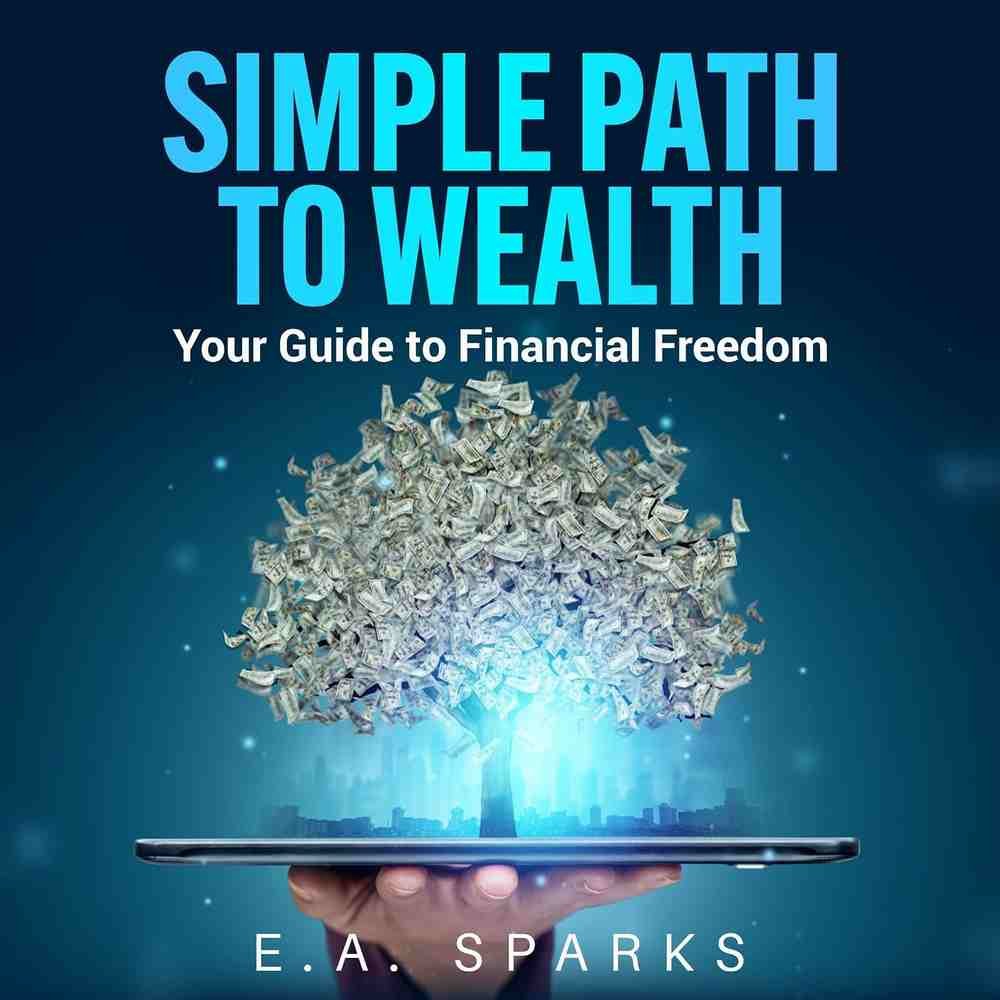
Simple Path to Wealth: Your Guide to Financial Freedom offers an accessible introduction to building wealth and working toward financial independence. It focuses on developing better money habits, saving consistently, in...
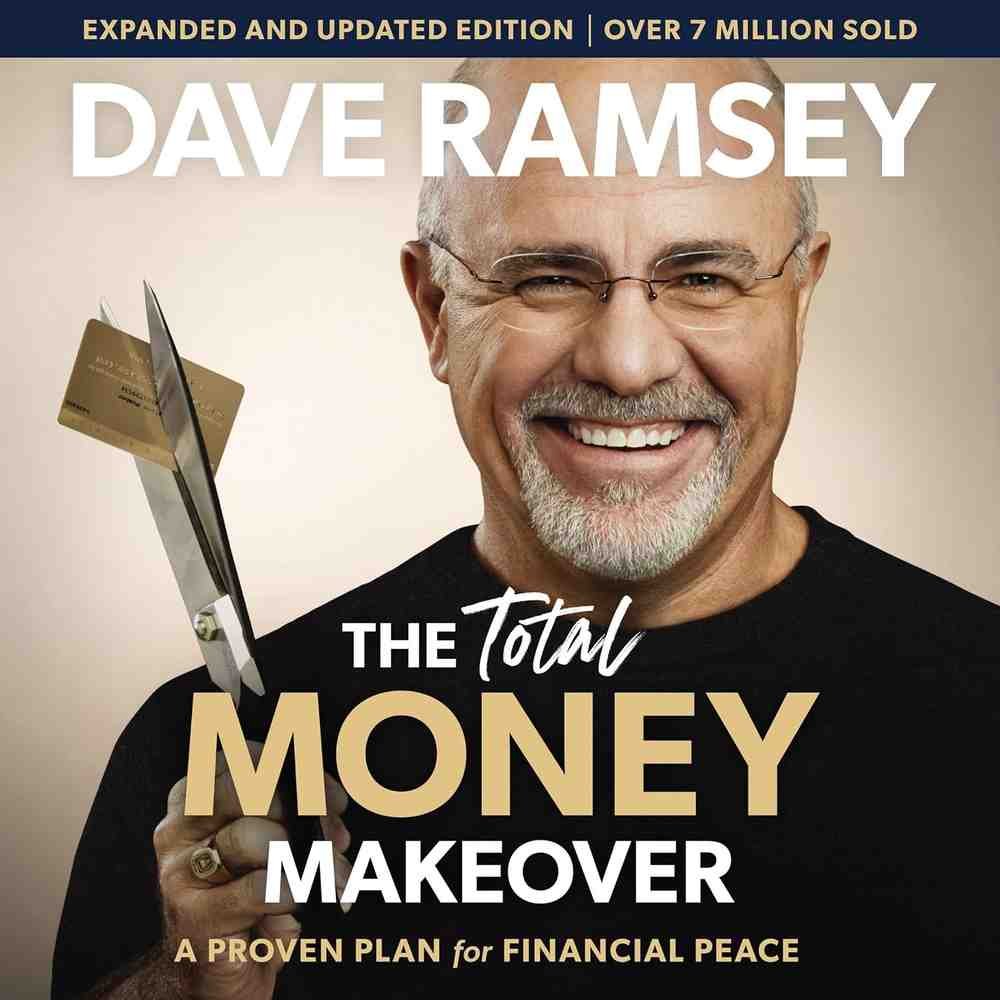
The Total Money Makeover: Updated and Expanded presents a straightforward plan for improving your finances through budgeting, debt reduction, saving, and disciplined money habits. Dave Ramsey focuses on practical steps d...
The Bogleheads' Guide to Investing - Best for Building a Practical Investment Plan
The Bogleheads' Guide to Investing takes a broader approach than a book focused solely on investing psychology or index funds.
It is designed to help readers understand practical investing concepts such as diversification, asset allocation, fees, retirement investing and long-term portfolio management.
This makes it particularly useful for readers who have moved beyond the question of "What is investing?" and are starting to ask how the pieces fit together.
What You'll Learn
- Basic investment principles
- Asset allocation
- Diversification
- Investment fees
- Long-term portfolio management
- Retirement investing concepts
- Common investing mistakes
Best For
Beginners who want a broader roadmap for managing investments.
It can be a useful follow-up to a book such as The Psychology of Money because it moves from financial behavior toward more practical investing concepts.
Get Good with Money: Ten Simple Steps to Becoming Financially Whole offers a practical, step-by-step approach to managing money. It covers budgeting, saving, debt, credit, investing, and building financial confidence. Th...
Simple Path to Wealth: Your Guide to Financial Freedom offers an accessible introduction to building wealth and working toward financial independence. It focuses on developing better money habits, saving consistently, in...
The Total Money Makeover: Updated and Expanded presents a straightforward plan for improving your finances through budgeting, debt reduction, saving, and disciplined money habits. Dave Ramsey focuses on practical steps d...
A Random Walk Down Wall Street - Best for Understanding How Markets Work
Burton G. Malkiel's A Random Walk Down Wall Street takes a broader look at financial markets and the challenge of consistently beating them.
The book discusses market behavior, investment strategies, diversification and the case for long-term investing. It is particularly useful for readers who want to understand why market timing and stock picking can be difficult .
Compared with some beginner books, it can feel more technical, but it gives readers a deeper perspective on how markets work.
What You'll Learn
- How financial markets behave
- Why predicting short-term market movements is difficult
- The arguments behind passive investing
- Why diversification matters
- Different approaches to investing
- The challenges of market timing
Best For
Readers who want to understand markets rather than simply learn a list of investing rules.
One Up on Wall Street - Best for Learning Stock Picking
If you're interested in researching individual companies rather than simply buying broad-market funds, One Up on Wall Street by Peter Lynch offers a very different perspective.
Lynch's approach encourages individual investors to pay attention to companies and products they encounter in everyday life, while still doing the research necessary to understand the businesses behind stocks.
This makes the book particularly interesting for readers who want to explore individual-stock investing.
What You'll Learn
- How to think about individual companies
- Different categories of stocks
- Why understanding a business matters
- How individual investors can research companies
- What can make a company interesting to investigate
- Common mistakes made by stock pickers
Best For
Readers who want to learn more about researching and selecting individual stocks.
This isn't necessarily the best first investing book for someone who doesn't yet understand basic investment concepts. A beginner may benefit from learning about diversification and risk before attempting to pick individual companies.
The Intelligent Investor - Best for Learning Value Investing
Benjamin Graham's The Intelligent Investor is one of the classic books associated with value investing.
It introduces concepts such as the difference between investing and speculation, the margin of safety, market fluctuations and the importance of disciplined decision-making.
However, this is not the easiest book on this list for someone completely new to investing.
What You'll Learn
- The difference between investing and speculation
- The concept of margin of safety
- Value investing principles
- How investors can think about market fluctuations
- The importance of disciplined decision-making
- Defensive and more active approaches to investing
Best For
Readers who want to understand value investing and are ready for more advanced material.
If you're completely new to investing, you may find the book easier to appreciate after reading a more accessible introduction first.
Which Investing Book Should You Read First?
There isn't one universally best investing book. The right starting point depends on what you want to learn.
If You're Completely New to Investing
Start with The Psychology of Money .
It is relatively easy to read and focuses on the behavioral side of money and investing. It can help you understand why patience, risk management and financial behavior matter before you get into more technical material.
If You Want a Simple Investing Strategy
Start with The Little Book of Common Sense Investing .
This is the better choice if you're specifically interested in the philosophy behind low-cost index investing.
If You Want a Complete Beginner Roadmap
Consider The Bogleheads' Guide to Investing .
It covers a broader range of practical investing topics and can help connect individual concepts into a larger investment plan.
If You Want to Understand the Stock Market
Read A Random Walk Down Wall Street .
It provides a broader discussion of markets, investment strategies, diversification and the difficulty of consistently beating the market.
If You Want to Pick Individual Stocks
Start with One Up on Wall Street .
It is more directly focused on researching individual companies and thinking about potential stock opportunities.
If You Want to Learn Value Investing
Choose The Intelligent Investor .
It is the most advanced choice on this list and is better suited to readers who already understand basic investing concepts.
Money for Couples by Ramit Sethi offers a practical 10-step plan to help couples manage money without stress or fights. It covers spending, saving, debt, investing, and shared financial goals, helping partners build bett...
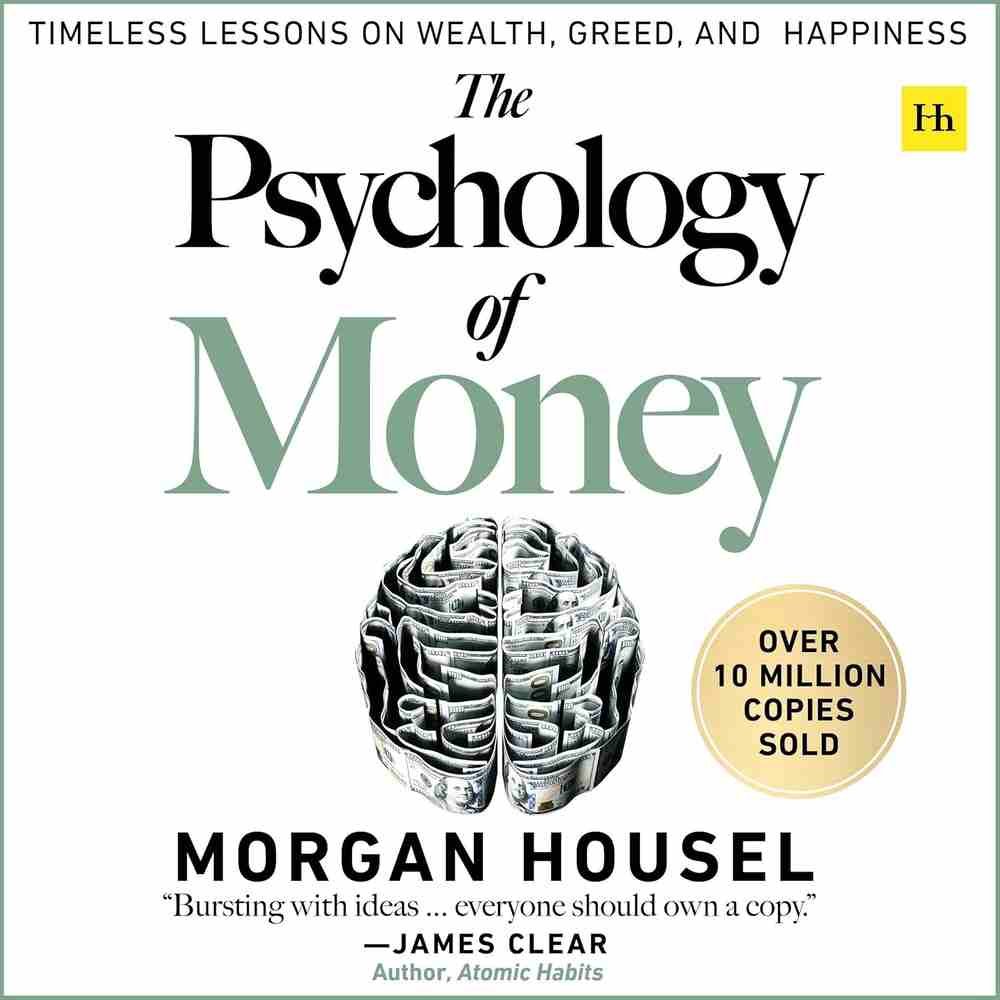
The Psychology of Money explores how emotions, behavior, and personal experiences influence financial decisions. Morgan Housel shares timeless lessons about saving, investing, wealth, risk, and long-term thinking. Rather...
Best Investing Books by Goal
| If You Want To... | Start With | Why |
|---|---|---|
| Understand investing psychology | The Psychology of Money | Focuses on behavior, risk and long-term thinking |
| Learn index investing | The Little Book of Common Sense Investing | Explains the case for low-cost index investing |
| Build an investment plan | The Bogleheads' Guide to Investing | Covers practical portfolio concepts |
| Understand markets | A Random Walk Down Wall Street | Explores markets and investment strategies |
| Learn stock picking | One Up on Wall Street | Focuses on researching individual companies |
| Learn value investing | The Intelligent Investor | Introduces classic value-investing concepts |
Best Order to Read These Investing Books
You don't need to read all six books before you start learning about investing. In fact, reading them in a sensible order can make the concepts easier to understand.
- The Psychology of Money - Start with financial behavior and mindset.
- The Little Book of Common Sense Investing - Learn the basics of simple, long-term index investing.
- The Bogleheads' Guide to Investing - Move into broader portfolio and investing concepts.
- A Random Walk Down Wall Street - Develop a deeper understanding of markets.
- One Up on Wall Street - Explore individual-stock research if you're interested in stock picking.
- The Intelligent Investor - Go deeper into value investing and investment discipline.
You can also skip books that don't match your investment approach. Someone interested primarily in diversified index funds doesn't necessarily need to become an expert stock picker.
Get Good with Money: Ten Simple Steps to Becoming Financially Whole offers a practical, step-by-step approach to managing money. It covers budgeting, saving, debt, credit, investing, and building financial confidence. Th...
The Psychology of Money explores how emotions, behavior, and personal experiences influence financial decisions. Morgan Housel shares timeless lessons about saving, investing, wealth, risk, and long-term thinking. Rather...
Do You Need to Read Investing Books Before You Invest?
No. You don't need to finish an investing book before you can start learning about investing.
However, investing books can help you understand concepts that are easy to overlook when you're focused only on investment returns.
Useful topics to understand include:
- Risk and volatility
- Diversification
- Asset allocation
- Compound growth
- Investment fees
- Time horizon
- Risk tolerance
- Active versus passive investing
- Market behavior
- Emotional decision-making
The goal isn't to become an expert before taking any action. It's to understand enough to make informed decisions and recognize when an investment idea doesn't match your goals or risk tolerance.
Can One Investing Book Teach You Everything?
Investing covers too many different subjects for one book to provide a complete education.
For example, The Psychology of Money is excellent for understanding financial behavior but isn't a detailed stock-analysis guide. One Up on Wall Street can help readers think about individual companies, but it doesn't replace a broader education in portfolio construction and diversification.
That's why the six books in this guide work better as a collection of different perspectives rather than six competing recommendations.
The Psychology of Money explores how emotions, behavior, and personal experiences influence financial decisions. Morgan Housel shares timeless lessons about saving, investing, wealth, risk, and long-term thinking. Rather...
The Total Money Makeover: Updated and Expanded presents a straightforward plan for improving your finances through budgeting, debt reduction, saving, and disciplined money habits. Dave Ramsey focuses on practical steps d...
What Should Beginners Look for in an Investing Book?
Beginner-Friendly Explanations
A good first investing book should explain unfamiliar concepts without assuming that you already understand financial terminology.
A Clear Investment Philosophy
Look for a book that makes it clear what approach it supports and why. This makes it easier to understand where the author's recommendations fit into the broader investing landscape.
Practical Examples
Examples can make abstract ideas such as diversification, compounding and risk easier to understand.
Honest Discussion of Risk
Be cautious with investing material that focuses heavily on potential returns without discussing uncertainty, losses and the possibility that an investment strategy may not work as expected.
Long-Term Thinking
Beginners can be particularly vulnerable to short-term market noise. Books that encourage disciplined, long-term thinking can help put market fluctuations into perspective.
Investing Books vs. Online Investing Advice
Online investing content can be useful when you need current information, but books offer a different advantage: they give authors enough space to develop an investment philosophy and explain the reasoning behind it.
That said, an older investing book shouldn't automatically be treated as a source for current market conditions, tax rules, investment products or financial regulations.
A useful approach is to use books for principles and frameworks , while using current, reliable sources for information that changes over time.
Our Picks: Which Investing Book Is Best?
Best overall starting point: The Psychology of Money
Best for index investing: The Little Book of Common Sense Investing
Best practical investing guide: The Bogleheads' Guide to Investing
Best for understanding markets: A Random Walk Down Wall Street
Best for stock picking: One Up on Wall Street
Best for value investing: The Intelligent Investor
If you are starting from zero, you don't need to buy all six. Start with the book that matches the question you're trying to answer.
If your question is "How should I think about money and investing?" , start with The Psychology of Money .
If it's "How can I keep investing simple?" , start with The Little Book of Common Sense Investing .
If it's "How do I build a broader investing plan?" , try The Bogleheads' Guide to Investing .
If it's "How do I understand stocks and markets?" , consider A Random Walk Down Wall Street or One Up on Wall Street , depending on whether you prefer market theory or individual-stock research.
And if you're ready to study value investing in greater depth, The Intelligent Investor can be your next step.
Money for Couples by Ramit Sethi offers a practical 10-step plan to help couples manage money without stress or fights. It covers spending, saving, debt, investing, and shared financial goals, helping partners build bett...
The Psychology of Money explores how emotions, behavior, and personal experiences influence financial decisions. Morgan Housel shares timeless lessons about saving, investing, wealth, risk, and long-term thinking. Rather...
The Total Money Makeover: Updated and Expanded presents a straightforward plan for improving your finances through budgeting, debt reduction, saving, and disciplined money habits. Dave Ramsey focuses on practical steps d...
Frequently Asked Questions
What is the best investing book for beginners?
There isn't one best investing book for everyone. The Psychology of Money is a strong starting point for understanding financial behavior, while The Little Book of Common Sense Investing is better suited to beginners interested in index investing.
What investing book should I read first?
If you have never invested before, The Psychology of Money is a useful first choice because it focuses on behavior, risk, patience and long-term thinking. If you already understand those concepts and want to learn index investing, The Little Book of Common Sense Investing may be a better starting point.
What is the best book for learning stock investing?
One Up on Wall Street is a strong choice for readers interested in researching individual companies and learning about stock picking. However, beginners should also understand diversification and risk before relying heavily on individual stocks.
Is The Intelligent Investor good for beginners?
It can be valuable for beginners, but it is more difficult than some of the other books on this list. Readers who are completely new to investing may find it easier to start with a more accessible book and return to The Intelligent Investor later.
What is the best investing book for passive investing?
The Little Book of Common Sense Investing is one of the clearest choices on this list for readers interested in passive, low-cost index investing. A Random Walk Down Wall Street also provides a broader discussion of the reasoning behind passive investing.
Can investing books teach you how to make money in stocks?
Investing books can teach concepts, frameworks and strategies, but they cannot guarantee investment returns. Stock-market outcomes are uncertain, and an investment strategy should be considered in the context of your goals, time horizon, risk tolerance, diversification and costs.
How many investing books should a beginner read?
You don't need to read dozens of books. Two or three well-chosen books covering different aspects of investing can provide a stronger foundation than reading many books that repeat the same ideas. Start with your specific goal and expand your reading from there.
Editor's Note
This article is for educational and informational purposes only and is not personalized financial advice. Investing involves risk, including the possible loss of principal. Investment decisions should consider your financial goals, time horizon, risk tolerance, diversification, fees, taxes and individual circumstances.
CoreAdorn is reader-supported. When you buy through links on our site, we may earn an affiliate commission.
0 Comments
Be the first to comment.
Leave a comment
Please use kind words and keep your comment on topic. Comments are reviewed by the CoreAdorn team before they appear.