
Retirement Planning: A Practical Guide to Saving, Investing & Retiring
Retirement planning involves more than saving money. Learn how to estimate your retirement needs, use 401(k)s and IRAs, invest for the long term, plan for healthcare and Social Security, and build a retirement-income strategy.
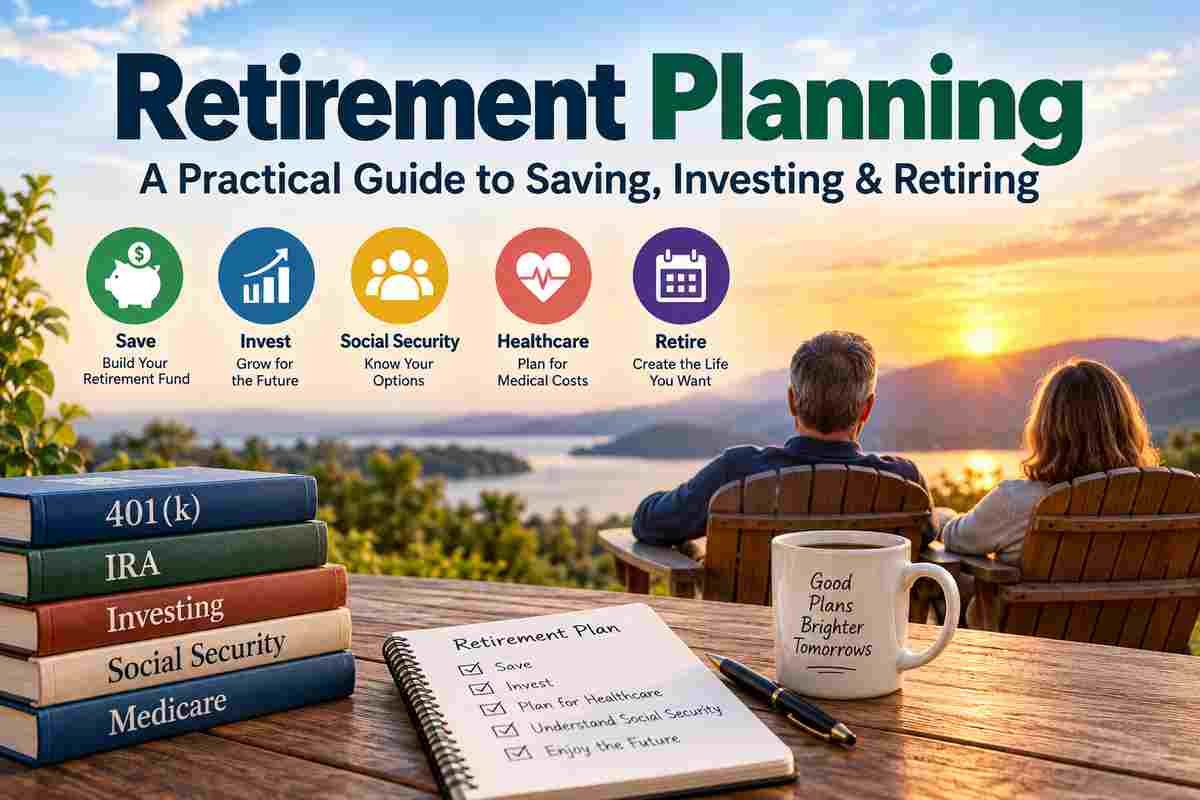
Retirement planning is more than deciding how much money to save. A realistic retirement plan needs to account for your expected expenses, retirement age, investment strategy, Social Security, healthcare, taxes, debt and how you will turn your savings into income later.
For some people, retirement may be decades away. For others, the priority is figuring out whether they are on track to retire within the next 5 to 10 years.
This guide explains the major pieces of retirement planning for U.S. households, including retirement accounts, investing, Social Security, healthcare, retirement income and common mistakes. The goal is to help you understand what you need to plan for and what to do next.
Quick answer: A good retirement plan starts with estimating how much you'll spend in retirement, determining how much income you'll need beyond Social Security or a pension, saving through appropriate retirement accounts, investing according to your time horizon and risk tolerance, and periodically reviewing your progress.
What Is Retirement Planning?
Retirement planning is the process of preparing financially for the point when you reduce or stop working.
It includes much more than building an investment portfolio. A complete retirement plan considers:
- When you want to retire
- How much you may spend in retirement
- How much you have already saved
- How much you need to save going forward
- Where your retirement savings are held
- How your money is invested
- Social Security benefits
- Pension income, if applicable
- Healthcare and Medicare
- Taxes
- Debt
- How you will withdraw money after retiring
The earlier you create a plan, the more opportunities you have to adjust your savings rate, investment strategy and retirement target.
When you buy through links on our site, we may earn an affiliate commission at no extra cost to you. This helps support our work.
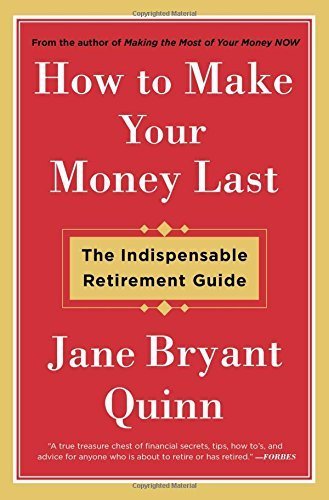
How to Make Your Money Last by Jane Bryant Quinn is a practical retirement guide for making your savings last throughout your later years. It covers smart withdrawal strategies, Social Security, investments, taxes, healt...
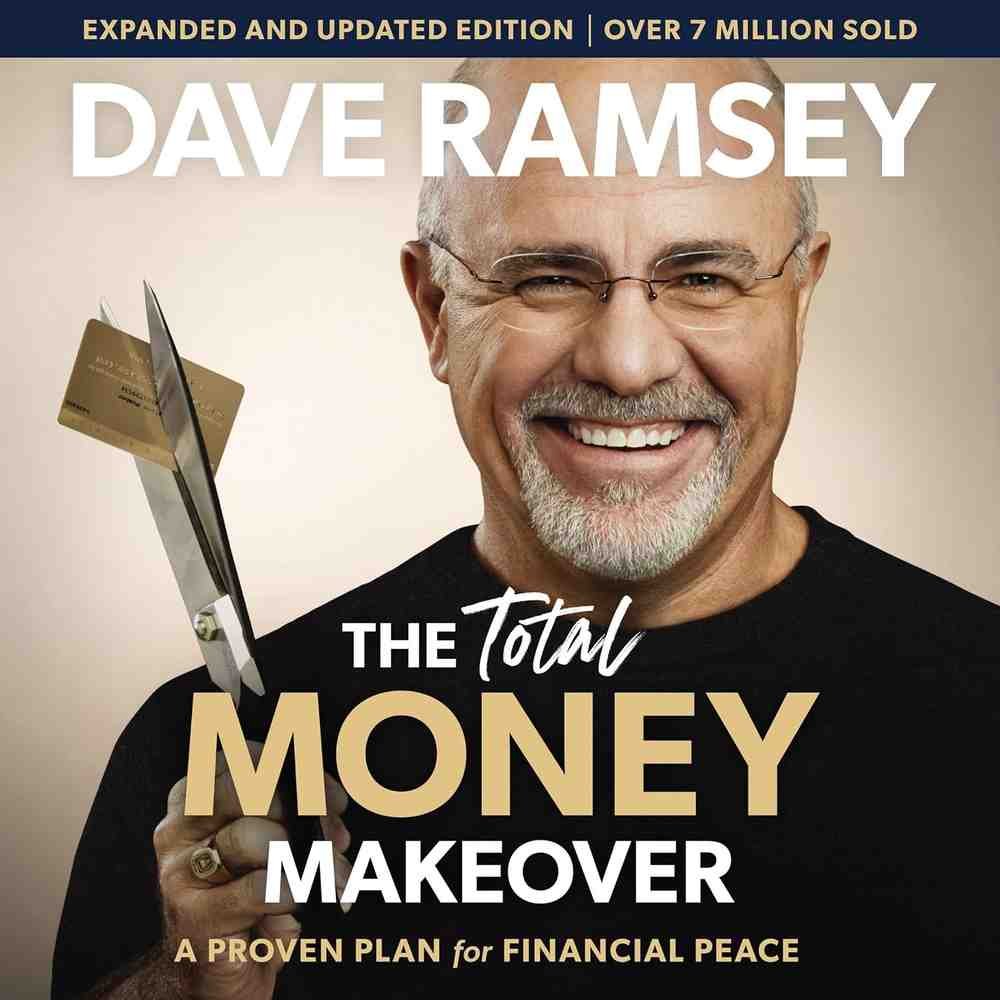
The Total Money Makeover: Updated and Expanded presents a straightforward plan for improving your finances through budgeting, debt reduction, saving, and disciplined money habits. Dave Ramsey focuses on practical steps d...
How Much Money Do You Need to Retire?
There isn't one retirement number that works for everyone.
Someone who plans to spend $40,000 a year in retirement has a very different financial requirement from someone expecting to spend $100,000 or more. Housing costs, healthcare, taxes, debt and lifestyle can also dramatically change the amount of money you may need.
A useful starting point is to estimate your expected annual retirement expenses.
Estimated retirement expenses
minus
Expected Social Security + pension or other guaranteed income
equals
Income your investment portfolio may need to help provide
This isn't a retirement formula or guarantee. It is simply a way to start thinking about the gap your savings may need to cover.
Expenses to Include in Your Estimate
- Housing
- Utilities
- Food
- Transportation
- Insurance
- Healthcare
- Travel and entertainment
- Taxes
- Home repairs
- Family support
- Emergency expenses
Don't assume that retirement automatically means spending less. Some expenses may decline after you stop working, while others can increase, particularly healthcare and travel.
How to Make Your Money Last by Jane Bryant Quinn is a practical retirement guide for making your savings last throughout your later years. It covers smart withdrawal strategies, Social Security, investments, taxes, healt...
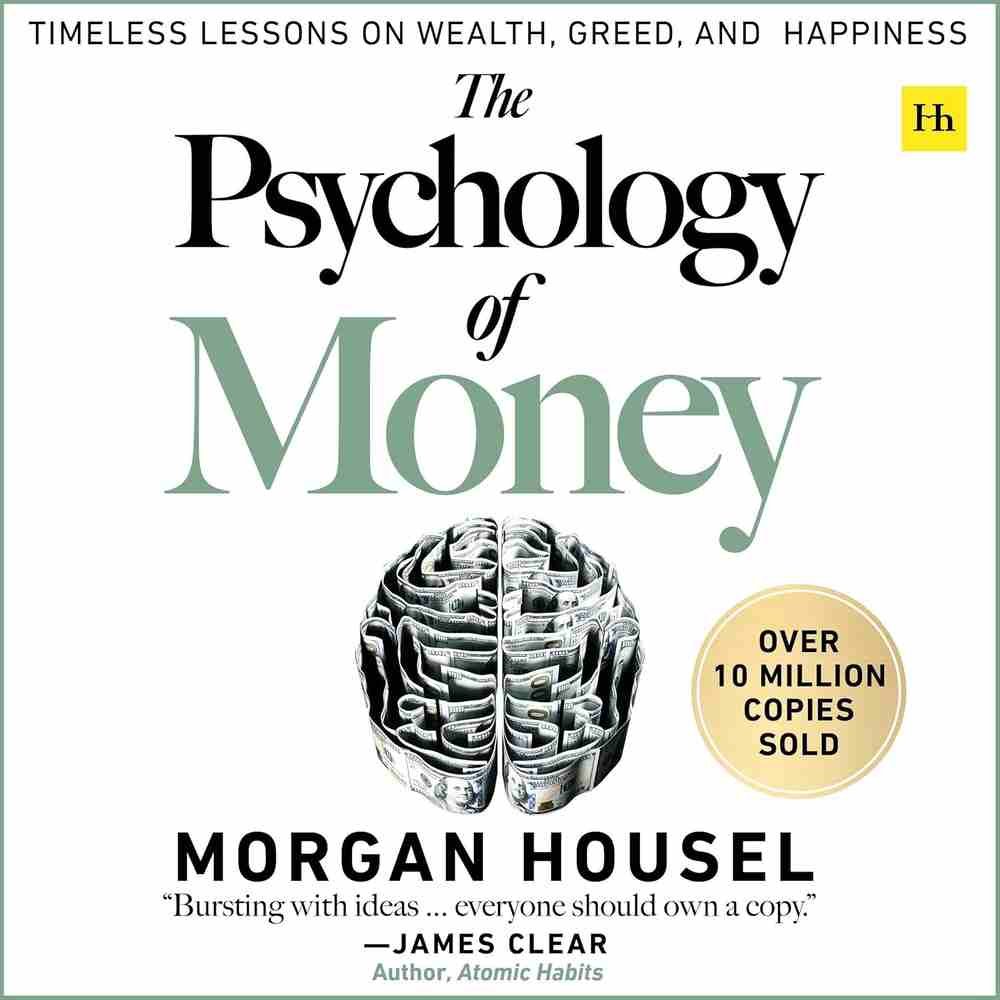
The Psychology of Money explores how emotions, behavior, and personal experiences influence financial decisions. Morgan Housel shares timeless lessons about saving, investing, wealth, risk, and long-term thinking. Rather...
When Should You Start Planning for Retirement?
The best time to start retirement planning is before retirement feels close.
However, your priorities naturally change as you get older.
Retirement Planning in Your 20s
The biggest advantage you have in your 20s is time.
Focus on:
- Starting retirement contributions
- Taking advantage of an employer retirement plan
- Understanding your employer match
- Building an emergency fund
- Learning basic investing principles
- Increasing contributions as your income grows
You don't need a perfect retirement strategy at this stage. Developing the habit of saving and investing consistently can be more important than trying to predict exactly what retirement will look like decades from now.
Retirement Planning in Your 30s
Your 30s are often a period when income increases but so do financial responsibilities.
Review:
- Your retirement contribution rate
- Employer matching contributions
- Investment fees
- Asset allocation
- Mortgage and other debt
- Emergency savings
- Long-term retirement goals
Consider increasing your retirement contributions whenever your income increases instead of allowing your entire raise to become additional spending.
Retirement Planning in Your 40s
Your 40s are a useful point for a serious retirement progress check.
At this stage, you should have a clearer idea of:
- When you want to retire
- How much you currently have invested
- How much you're contributing each year
- How much you may need to spend in retirement
- Whether your current savings rate is sufficient
If you're behind, you still have time to make meaningful changes by increasing savings, reducing unnecessary expenses, adjusting your retirement target or reconsidering your investment strategy.
Retirement Planning in Your 50s
Retirement becomes less theoretical in your 50s.
Important areas to review include:
- Retirement savings
- Catch-up contribution opportunities
- Social Security estimates
- Healthcare planning
- Mortgage and other debt
- Expected retirement expenses
- Portfolio risk
- Potential retirement date
This is also a good time to build a preliminary retirement-income plan rather than focusing only on your account balance.
Retirement Planning in Your 60s
As retirement approaches, the question changes from "How much can I save?" to "How will I use what I've saved?"
Important decisions may include:
- When to stop working
- When to claim Social Security
- Medicare enrollment
- How much cash to keep available
- How much investment risk to take
- Which retirement accounts to draw from
- How to manage taxes
- How much to withdraw each year
How to Make Your Money Last by Jane Bryant Quinn is a practical retirement guide for making your savings last throughout your later years. It covers smart withdrawal strategies, Social Security, investments, taxes, healt...
The Total Money Makeover: Updated and Expanded presents a straightforward plan for improving your finances through budgeting, debt reduction, saving, and disciplined money habits. Dave Ramsey focuses on practical steps d...
Retirement Accounts You Should Know
U.S. retirement planning commonly involves employer-sponsored retirement plans, IRAs and other tax-advantaged accounts.
The right combination depends on your income, employment situation, tax circumstances and retirement goals.
401(k)
A 401(k) is an employer-sponsored retirement plan. Depending on the employer's plan, employees may have access to traditional 401(k) contributions, Roth 401(k) contributions or both.
Traditional 401(k) contributions generally receive their tax benefit upfront, while Roth 401(k) contributions are made with after-tax dollars and qualified withdrawals are generally tax-free. Some employers also provide matching contributions. Investor.gov explains the differences between traditional and Roth 401(k) plans .
Traditional IRA
A traditional IRA can provide another tax-advantaged way to save for retirement. Depending on your circumstances, contributions may be deductible, while withdrawals are generally taxable.
Eligibility and deduction rules can depend on factors including income and whether you or your spouse are covered by an employer retirement plan.
Roth IRA
A Roth IRA uses after-tax contributions. Qualified withdrawals are generally tax-free.
Roth IRAs can be useful as part of a retirement strategy because having both taxable and tax-advantaged sources of retirement income can provide more flexibility in managing taxes.
Roth 401(k)
A Roth 401(k) combines an employer-sponsored retirement plan with Roth tax treatment.
Unlike a traditional 401(k), contributions are made with after-tax dollars. Qualified withdrawals are generally tax-free.
SEP IRA
A SEP IRA can be relevant for eligible self-employed individuals and small-business owners.
SIMPLE IRA
A SIMPLE IRA is another employer-sponsored retirement arrangement commonly associated with smaller businesses.
Pensions
A traditional pension is generally a defined-benefit plan that promises a specified benefit, often based on factors such as salary and years of service.
Unlike a 401(k), where the account balance depends on contributions and investment performance, a defined-benefit pension generally places the investment risk on the employer. Investor.gov provides an overview of defined-benefit and defined-contribution retirement plans .
401(k) vs. IRA: Which Should You Use?
| Feature | 401(k) | IRA |
|---|---|---|
| Employer-sponsored | Yes | No |
| Employer match | May be available | No |
| Investment choices | Plan-dependent | Generally broader |
| Traditional option | Yes | Yes |
| Roth option | May be available | Yes |
There isn't a universal rule that says one account is always better.
A common starting point is to understand whether your employer offers a matching contribution and what investment choices and fees are available in the plan. After that, compare your available retirement accounts based on taxes, contribution rules, investment choices and your long-term goals.
Investor.gov notes that employer matching contributions can be an important part of an employer-sponsored retirement plan and that investment fees can significantly affect long-term results. See the Investor.gov retirement planning guidance .
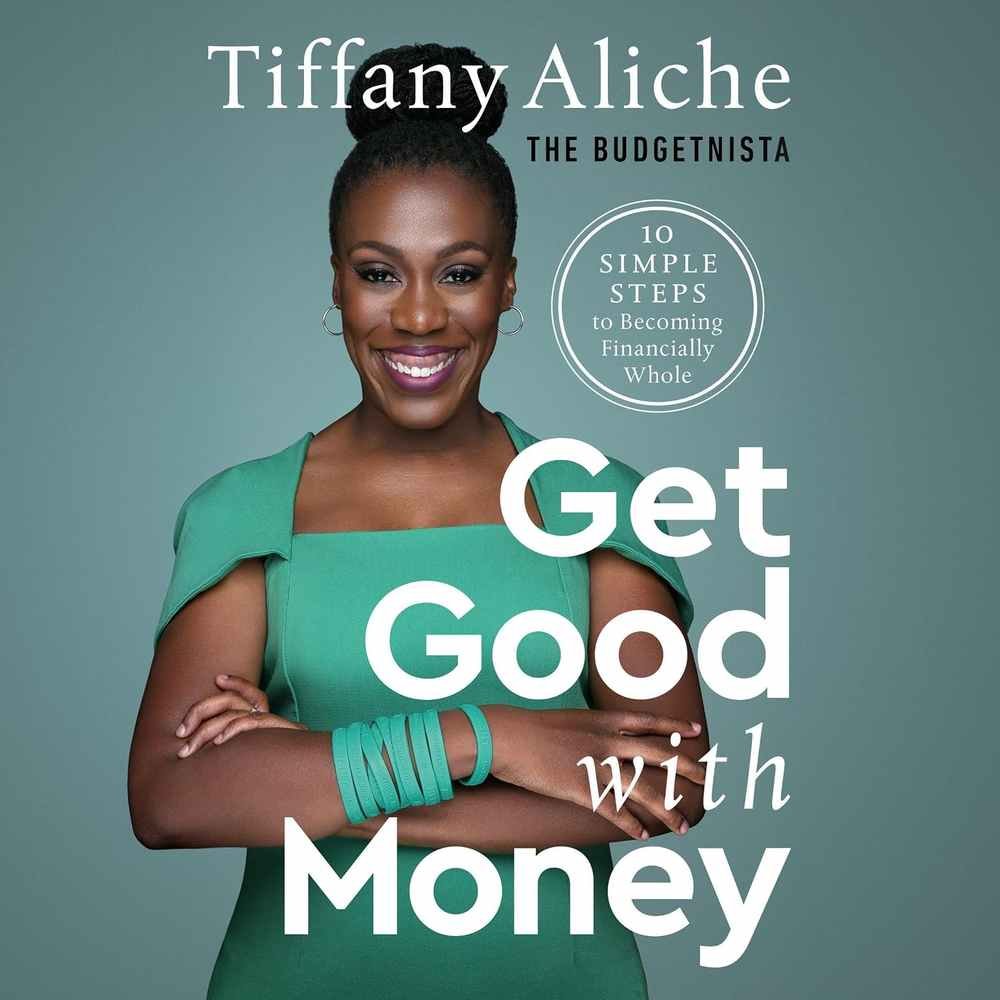
Get Good with Money: Ten Simple Steps to Becoming Financially Whole offers a practical, step-by-step approach to managing money. It covers budgeting, saving, debt, credit, investing, and building financial confidence. Th...
How to Make Your Money Last by Jane Bryant Quinn is a practical retirement guide for making your savings last throughout your later years. It covers smart withdrawal strategies, Social Security, investments, taxes, healt...
How Much Should You Save for Retirement?
There is no single savings percentage that works for every household.
The amount you need to save depends on:
- Your current age
- Your target retirement age
- Current retirement savings
- Income
- Expected retirement spending
- Expected Social Security benefits
- Pension income
- Investment returns
- Inflation
- Healthcare costs
- How long you expect retirement to last
Instead of asking only "What percentage should I save?", consider asking:
"Am I currently saving enough to support the retirement lifestyle I want at the age I want to retire?"
That question leads to a much more useful retirement calculation.
How to Invest for Retirement
Retirement investing is usually a long-term process. Your investment mix should reflect your time horizon, risk tolerance and the role the money will play in your overall retirement plan.
Stocks
Stocks can provide long-term growth potential but can also experience significant declines.
For investors with many years until retirement, stocks may play an important role in long-term growth. As retirement approaches, however, the potential impact of large market declines becomes more important to consider.
Bonds
Bonds can provide diversification and may behave differently from stocks in various market environments.
The appropriate allocation depends on the investor's goals, time horizon and risk tolerance.
Index Funds
Index funds are designed to track a particular market index rather than trying to select investments that will outperform the market.
They can provide broad diversification and may have relatively low expenses, although costs and investment strategies vary between funds.
Target-Date Funds
Target-date funds are designed around an expected retirement year. Their asset allocation typically changes as the target date approaches.
They can be convenient for investors who want a more automated approach, but you should still review the fund's fees, investment strategy and risk level.
How to Make Your Money Last by Jane Bryant Quinn is a practical retirement guide for making your savings last throughout your later years. It covers smart withdrawal strategies, Social Security, investments, taxes, healt...
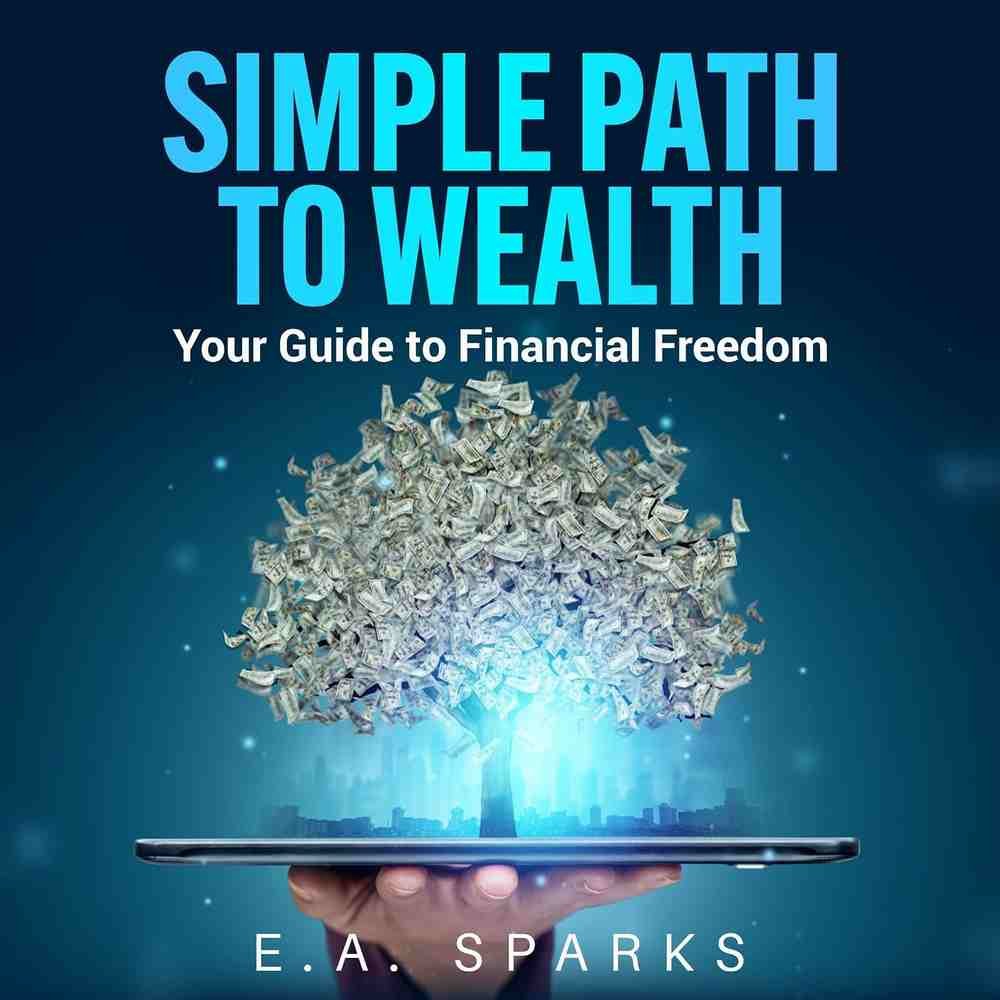
Simple Path to Wealth: Your Guide to Financial Freedom offers an accessible introduction to building wealth and working toward financial independence. It focuses on developing better money habits, saving consistently, in...
Why Investment Fees Matter for Retirement
Small investment costs can compound over many years.
For example, two otherwise similar investments may produce different long-term outcomes if one consistently charges higher expenses.
When reviewing a retirement plan, look at:
- Fund expense ratios
- Administrative fees
- Advisory fees
- Transaction costs
- Plan-level fees
Investor.gov specifically warns that even relatively small differences in investment costs can have a significant effect over time. Review its retirement fee guidance .
How Social Security Fits Into Retirement Planning
Social Security can become an important source of retirement income, but it should generally be viewed as one component of a broader retirement plan.
You can generally start retirement benefits as early as age 62. Your monthly benefit is higher if you wait longer to claim, with benefits increasing up to age 70. Your full retirement age depends on your birth year. The Social Security Administration provides current retirement-planning guidance .
For people born in 1960 or later, the full retirement age is 67. Claiming at 62 results in a reduced benefit compared with claiming at full retirement age. See the SSA's benefits information for people born in 1960 or later .
Should You Claim Social Security at 62, 67 or 70?
There is no universal answer.
Claiming earlier gives you benefits sooner but generally results in a lower monthly benefit. Delaying can increase the monthly benefit but means waiting longer to receive it.
Your decision can depend on:
- Health and longevity considerations
- Other retirement income
- Spousal benefits
- Whether you continue working
- Your savings
- Tax considerations
- Your household's financial needs
The SSA provides a retirement calculator that allows people to compare benefit estimates at different claiming ages, including age 62, full retirement age and 70. Use the official Social Security benefit calculators .
How to Make Your Money Last by Jane Bryant Quinn is a practical retirement guide for making your savings last throughout your later years. It covers smart withdrawal strategies, Social Security, investments, taxes, healt...
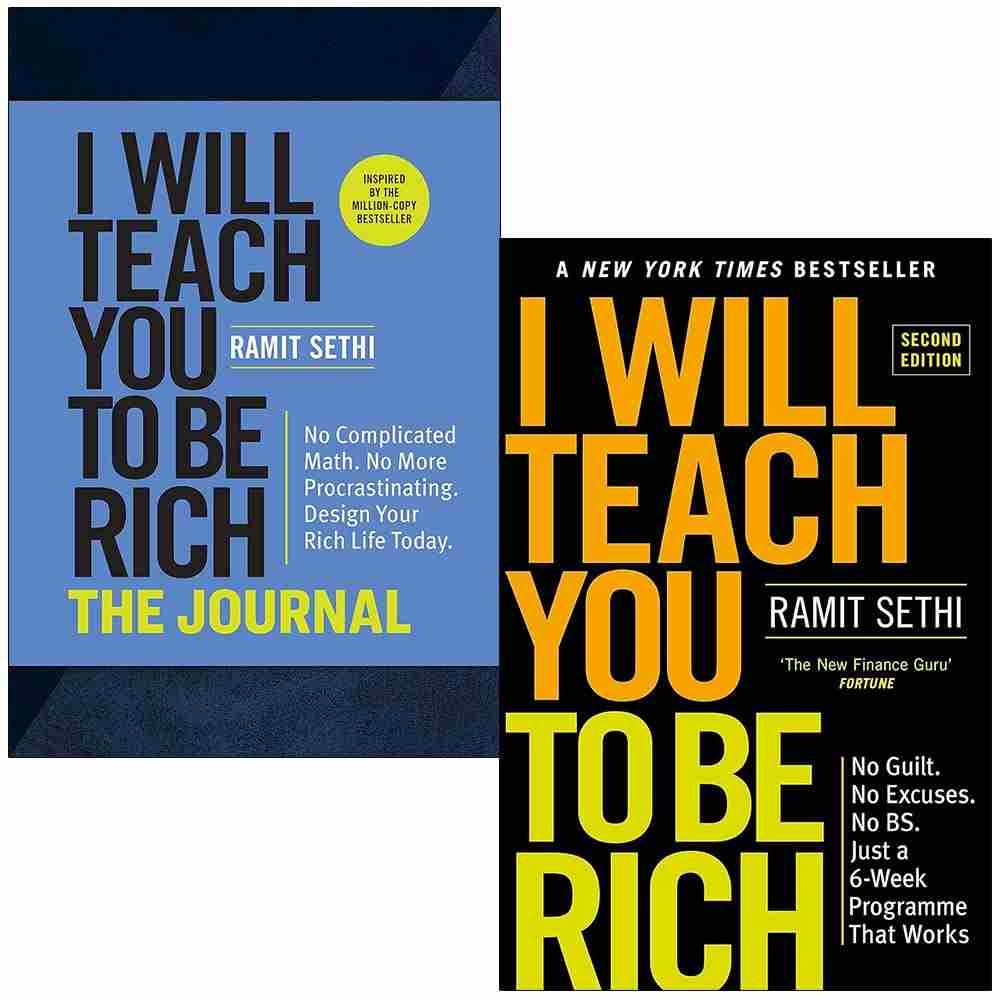
Ramit Sethi’s 2-book collection combines practical personal-finance guidance with an interactive journal. I Will Teach You to Be Rich, 2nd Edition covers spending, saving, investing, banking, debt, and building a financi...
Retirement Age and Social Security Are Not the Same Thing
You don't necessarily have to stop working when you start Social Security.
Likewise, you can retire from work and wait before claiming Social Security.
The Social Security Administration notes that the age you stop working and the age you begin receiving retirement benefits can be different. Your earnings history and the age at which you claim benefits can affect the amount you receive. See the SSA's guidance on stopping work and retirement benefits .
This distinction can give retirees more flexibility when designing a retirement-income strategy.
Healthcare and Retirement Planning
Healthcare is one of the expenses that is easy to underestimate when planning for retirement.
Your retirement plan may need to account for:
- Health insurance before Medicare eligibility
- Medicare premiums
- Prescription drug coverage
- Deductibles and out-of-pocket expenses
- Dental and vision costs
- Long-term care
- Unexpected medical expenses
Medicare eligibility generally begins around age 65, but enrollment timing and coverage decisions matter. Medicare provides official guidance on when coverage begins .
If you plan to retire before 65, healthcare coverage between leaving work and becoming eligible for Medicare deserves particular attention.
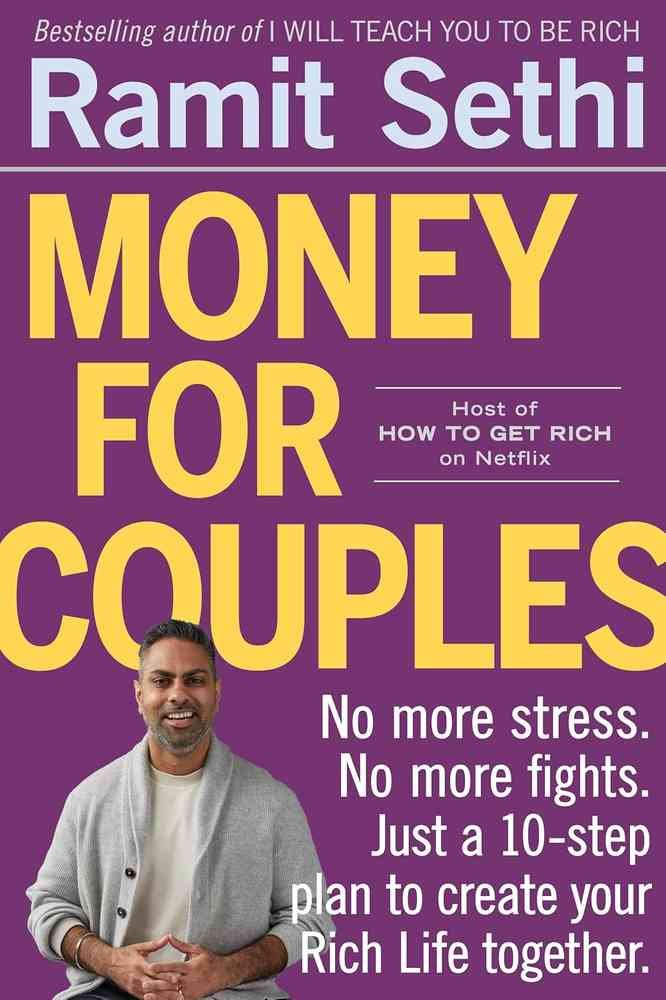
Money for Couples by Ramit Sethi offers a practical 10-step plan to help couples manage money without stress or fights. It covers spending, saving, debt, investing, and shared financial goals, helping partners build bett...
The Total Money Makeover: Updated and Expanded presents a straightforward plan for improving your finances through budgeting, debt reduction, saving, and disciplined money habits. Dave Ramsey focuses on practical steps d...
Don't Forget About Debt
Retirement savings aren't the only part of your financial picture.
High-interest debt can make it harder to build retirement savings, while a large mortgage or other fixed payment can affect how much income you'll need after leaving work.
Review:
- Credit-card debt
- Mortgage balance
- Auto loans
- Personal loans
- Student loans
Paying down debt isn't automatically better than investing every available dollar. The right decision depends on interest rates, taxes, investment opportunities, liquidity and your overall financial situation.
How to Create a Retirement Income Plan
Saving for retirement is the accumulation phase. Eventually, you'll need a plan for turning those savings into income.
Your potential retirement income sources may include:
- Social Security
- Pension income
- 401(k) withdrawals
- IRA withdrawals
- Taxable investment accounts
- Cash savings
- Part-time employment
- Other income sources
A retirement-income plan should consider not only how much you withdraw, but also where the money comes from and how taxes may affect each withdrawal .
Why Sequence-of-Returns Risk Matters
Investment returns don't arrive in a predictable order.
A major market decline early in retirement can have a different effect from the same decline many years later, particularly if you're withdrawing money from your portfolio at the same time.
This is commonly referred to as sequence-of-returns risk.
That is one reason retirement planning shouldn't stop when you reach your target savings number. Your withdrawal strategy matters too.
Get Good with Money: Ten Simple Steps to Becoming Financially Whole offers a practical, step-by-step approach to managing money. It covers budgeting, saving, debt, credit, investing, and building financial confidence. Th...
How to Make Your Money Last by Jane Bryant Quinn is a practical retirement guide for making your savings last throughout your later years. It covers smart withdrawal strategies, Social Security, investments, taxes, healt...
When Should You Retire?
Retirement doesn't have to happen at one specific age.
Some people retire in their 50s. Others continue working into their 60s or 70s. Some gradually reduce their working hours instead of stopping all at once.
Your retirement date should be evaluated alongside:
- Current savings
- Expected retirement expenses
- Healthcare coverage
- Social Security
- Investment portfolio
- Debt
- Tax situation
- Desired lifestyle
Working longer can provide additional savings years, reduce the number of years your portfolio needs to support you and potentially increase Social Security benefits depending on your circumstances.
What If You Want to Retire Early?
Early retirement requires more than reaching a particular investment balance.
If you want to retire before traditional retirement age, think about:
- How much you'll spend each year
- How much you can save before retirement
- How your investments will provide income
- Healthcare before Medicare
- Taxes on withdrawals
- When Social Security may begin
- How many years your portfolio needs to last
The earlier you retire, the longer your assets may need to support you. That makes the relationship between spending, savings and portfolio withdrawals particularly important.
Retirement Planning Checklist
Use this checklist as a starting point for reviewing your retirement plan:
- Determine your target retirement age
- Estimate your retirement expenses
- Calculate your current retirement savings
- Review your 401(k) contributions
- Check whether your employer provides a matching contribution
- Review IRA options
- Check investment fees
- Review your asset allocation
- Estimate your Social Security benefits
- Plan for healthcare expenses
- Review outstanding debt
- Estimate your retirement income
- Think about your withdrawal strategy
- Review beneficiaries on retirement accounts and insurance policies
- Revisit your plan regularly
How to Make Your Money Last by Jane Bryant Quinn is a practical retirement guide for making your savings last throughout your later years. It covers smart withdrawal strategies, Social Security, investments, taxes, healt...
Retirement Planning by Age
| Age | Main Priority | What to Review |
|---|---|---|
| 20s | Start | 401(k), employer match, savings habits and basic investing |
| 30s | Build | Contributions, investing, debt and financial goals |
| 40s | Accelerate | Savings rate, portfolio, expenses and retirement target |
| 50s | Prepare | Catch-up contributions, healthcare, Social Security and retirement date |
| 60s | Transition | Retirement income, Social Security, Medicare and withdrawals |
Get Good with Money: Ten Simple Steps to Becoming Financially Whole offers a practical, step-by-step approach to managing money. It covers budgeting, saving, debt, credit, investing, and building financial confidence. Th...
The Total Money Makeover: Updated and Expanded presents a straightforward plan for improving your finances through budgeting, debt reduction, saving, and disciplined money habits. Dave Ramsey focuses on practical steps d...
Common Retirement Planning Mistakes
1. Waiting Too Long to Start
Starting later can mean you have fewer years for contributions and investment growth to work together.
2. Ignoring Employer Matching Contributions
If your employer offers a retirement-plan match, understand the rules and whether you're contributing enough to receive the available match.
3. Focusing Only on Investment Returns
A retirement plan isn't successful simply because the portfolio has generated strong returns. Spending, taxes, fees and withdrawals also matter.
4. Ignoring Investment Fees
Higher costs can reduce the amount of money that remains invested over long periods.
5. Taking Too Much Risk
Seeking higher returns by taking substantially more risk can become particularly problematic when retirement is approaching.
6. Underestimating Healthcare Costs
Healthcare deserves a dedicated place in your retirement budget rather than being treated as an afterthought.
7. Assuming Social Security Will Cover Everything
Social Security can be an important retirement-income source, but it may not cover your entire retirement budget.
8. Never Reviewing the Plan
Your income, expenses, investments, family circumstances and retirement target can change. A retirement plan should evolve with them.
Best Retirement Planning Tools
You don't need complicated software to start planning. Several official tools can help you understand the major numbers.
Social Security Retirement Calculator
The Social Security Administration provides calculators that allow you to compare estimated retirement benefits at different claiming ages. Use the official SSA benefit calculators .
Retirement Savings Calculator
A savings calculator can help illustrate how regular contributions and different assumed rates of return could affect a future balance.
Compound Interest Calculator
Compound-growth calculations can help demonstrate why starting early and continuing to invest can matter over long periods.
Retirement Income Calculator
An income-focused calculator can help you estimate how long a portfolio might support a particular withdrawal level under specified assumptions.
Investor.gov provides several free financial-planning tools, including calculators for compound interest and savings goals. Explore the official Investor.gov financial-planning tools .
The Psychology of Money explores how emotions, behavior, and personal experiences influence financial decisions. Morgan Housel shares timeless lessons about saving, investing, wealth, risk, and long-term thinking. Rather...
The Total Money Makeover: Updated and Expanded presents a straightforward plan for improving your finances through budgeting, debt reduction, saving, and disciplined money habits. Dave Ramsey focuses on practical steps d...
Retirement Planning for Different Situations
Retirement Planning for Singles
A single retiree generally cannot rely on a spouse's income or benefits in the same way as a couple. Housing, healthcare and survivor planning may therefore deserve particular attention.
Retirement Planning for Couples
Couples should consider their combined savings, expected Social Security benefits, retirement dates, healthcare needs and the financial implications if one spouse dies first.
Retirement Planning for Self-Employed Workers
Self-employed individuals may have different retirement-account options and don't necessarily have access to a traditional employer-sponsored 401(k).
Retirement planning should therefore be integrated with business income, taxes and cash-flow planning.
Retirement Planning for Late Starters
Starting late doesn't mean retirement planning is hopeless. It means the plan may need to be more deliberate.
Possible adjustments include increasing savings, reducing expenses, working longer, changing the target retirement age or reassessing expected retirement spending.
Retirement Planning Books and Resources
Books can be useful for understanding investing principles, retirement psychology, portfolio construction and long-term financial planning.
If you're looking for beginner-friendly investing books, see our guide:
Best Investing Books for Beginners: 6 Books to Start With
That guide covers books focused on investing psychology, index investing, portfolio construction, market behavior, stock picking and value investing.
How Retirement Planning and Investing Work Together
Retirement planning and investing are related, but they aren't the same thing.
Investing is one tool you can use to grow and preserve your money.
Retirement planning is the larger process of determining how much you need, when you may retire, how you will generate income and how you'll manage risks along the way.
A strong investment portfolio doesn't automatically create a successful retirement plan.
You also need to think about spending, taxes, Social Security, healthcare, withdrawals and longevity.
What Is the Most Important Part of Retirement Planning?
For most people, there isn't one single decision that determines whether retirement planning succeeds.
Instead, several pieces work together:
- Saving consistently
- Investing appropriately for your time horizon
- Keeping investment costs under control
- Managing debt
- Planning for healthcare
- Understanding Social Security
- Estimating realistic retirement expenses
- Creating a retirement-income strategy
- Reviewing the plan as circumstances change
The earlier you identify gaps, the more options you generally have to address them.
How to Make Your Money Last by Jane Bryant Quinn is a practical retirement guide for making your savings last throughout your later years. It covers smart withdrawal strategies, Social Security, investments, taxes, healt...
Retirement Planning: Where Should You Start?
If you're starting from scratch, don't try to solve every retirement question at once.
Start with these five steps:
- Choose a target retirement age.
- Estimate how much you'll need to spend each year.
- Calculate how much you've already saved.
- Review your retirement accounts and investments.
- Estimate your future income from Social Security, pensions and investments.
Once you have those numbers, you'll have a much clearer idea of where your retirement plan stands.
You can then work on the gaps rather than simply saving an arbitrary amount each month.
Frequently Asked Questions About Retirement Planning
How much money do I need to retire?
There is no universal retirement number. The amount you need depends on your expected spending, retirement age, Social Security, pension income, investment portfolio, healthcare costs, taxes, debt and how long your retirement may last. A useful starting point is to estimate annual retirement expenses and subtract expected non-portfolio income.
How much should I save for retirement each month?
The appropriate amount depends on your age, income, current savings, target retirement age and expected retirement expenses. Instead of using a single percentage, compare your current savings and contributions with the amount you may need to support your desired retirement.
Should I prioritize a 401(k) or IRA?
It depends on the accounts available to you, employer matching contributions, tax considerations, investment choices and fees. If your employer offers a match, understanding the matching rules is an important first step. An IRA may provide additional investment choices and tax flexibility.
When should I claim Social Security?
You can generally begin Social Security retirement benefits at age 62, but claiming earlier generally means a lower monthly benefit than waiting until full retirement age. Delaying can increase the monthly benefit up to age 70. The appropriate claiming age depends on your financial situation, health, household circumstances and other income sources.
Is $1 million enough to retire?
It can be enough for some households and insufficient for others. The answer depends on annual spending, retirement age, Social Security, healthcare costs, taxes, investment returns, debt and how long the portfolio needs to last. A retirement number should be evaluated against expected spending rather than viewed in isolation.
How should I invest for retirement?
Your investment mix should reflect your time horizon, risk tolerance and retirement-income needs. Many retirement portfolios use a combination of stocks, bonds and diversified funds, but the appropriate allocation varies by investor. Fees, diversification and the amount of risk you can realistically tolerate are important considerations.
Can I retire early?
Yes, but early retirement requires your savings and other income sources to support you for a longer period. Healthcare before Medicare eligibility, taxes, Social Security timing, investment risk and withdrawal strategy become particularly important when retiring early.
What happens to my 401(k) when I retire?
Your options can depend on your employer's plan and your circumstances. You may be able to leave the money in the existing plan, roll it into another eligible retirement account or take distributions. Taxes and potential penalties can apply depending on how and when money is withdrawn.
Editor's Note
This article is for educational and informational purposes only and is not personalized financial, tax or investment advice. Retirement rules, contribution limits, tax laws and government benefits can change. Check current information from the IRS, Social Security Administration, Medicare and other official sources before making financial decisions.
Investment returns are not guaranteed, and investing involves risk, including the possible loss of principal. Your retirement strategy should reflect your individual financial goals, time horizon, risk tolerance, tax situation and circumstances.
CoreAdorn is reader-supported. When you buy through links on our site, we may earn an affiliate commission.
0 Comments
Be the first to comment.
Leave a comment
Please use kind words and keep your comment on topic. Comments are reviewed by the CoreAdorn team before they appear.