
Best Sleep Tracking Smartwatches: How to Choose the Right Watch for Sleep, Fitness and Recovery
Looking for a smartwatch that can track sleep without sacrificing fitness features or everyday usability? This guide compares Apple Watch, Samsung Galaxy Watch, Garmin, Fitbit, Google Pixel Watch and WHOOP across sleep stages, HRV, SpO2, recovery, battery life, subscriptions and phone compatibility to help U.S. buyers choose the right wearable.
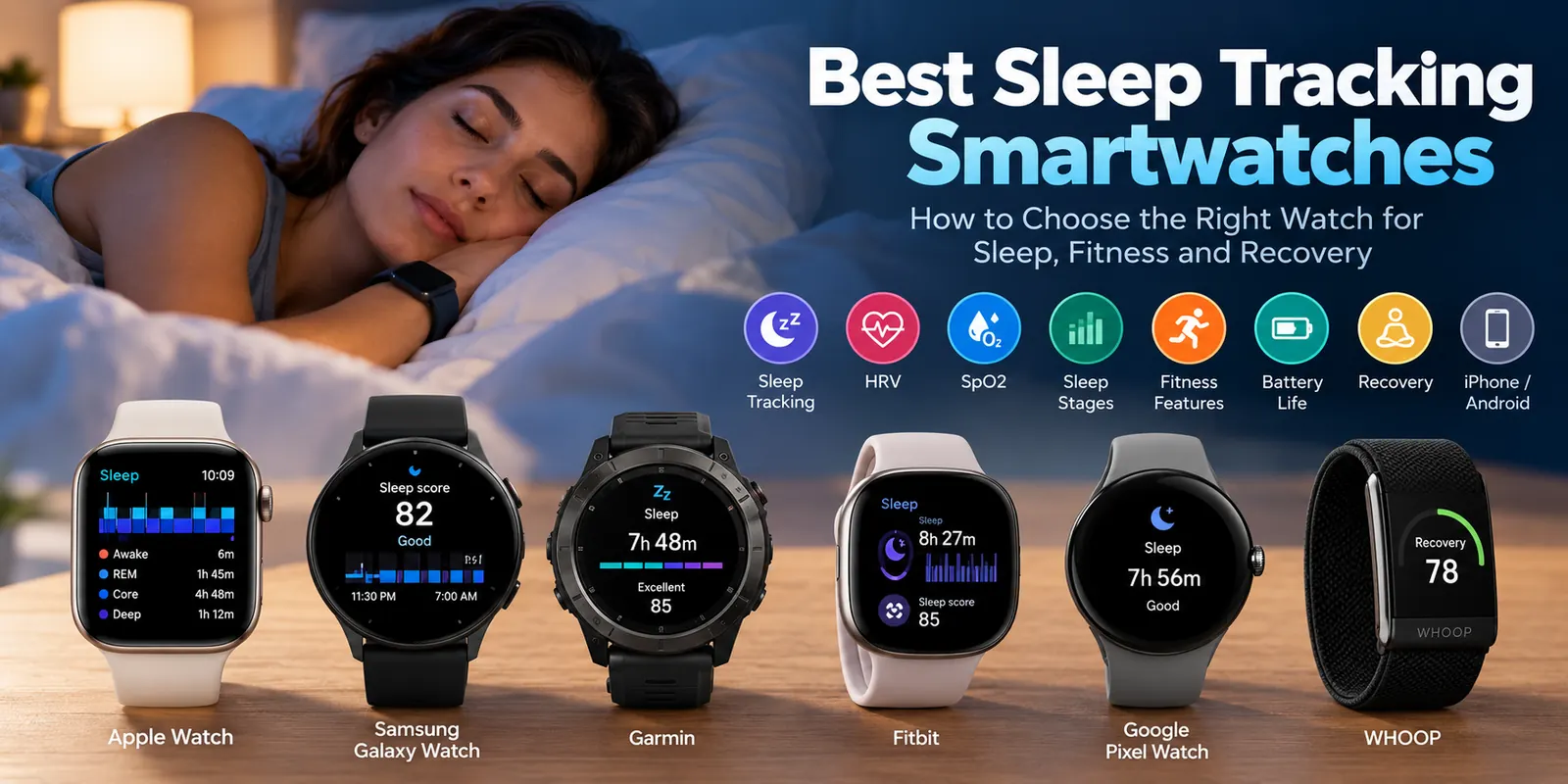
If you are shopping for a smartwatch mainly because you want to understand your sleep, the usual advice is to look for a watch with sleep stages, heart rate and SpO2. That is a useful starting point, but it does not answer the question that matters when you are spending several hundred dollars:
Which smartwatch gives you useful sleep information without becoming a hassle to wear, charge or use every day?
For most people, the answer depends on more than sleep tracking. Battery life matters because a watch sitting on its charger cannot record your sleep. Phone compatibility matters because an excellent watch is a poor choice if it does not work properly with your smartphone. Fitness features matter if you want one device for workouts and sleep. And subscriptions can change the long-term cost of ownership.
This guide compares the major choices U.S. buyers are likely to encounter, including Apple Watch, Samsung Galaxy Watch, Garmin, Fitbit, Google Pixel Watch and WHOOP. WHOOP is included because it is particularly relevant for people who care about sleep and recovery, even though it is not a traditional smartwatch.
If you are looking for a broader overview of sleep wearables, see our Sleep Trackers & Biometric Wearables: Best Devices for U.S. Buyers guide.
Quick Answer: Which Sleep Tracking Wearable Should You Consider?
Wearable Best fit Main tradeoff Apple Watch iPhone users who want sleep, health, fitness and smartwatch features Requires frequent charging Samsung Galaxy Watch Android and Samsung users who want a full smartwatch Some health features depend on Samsung devices and services Garmin Fitness-focused users who want sleep, recovery and long battery life Less focused on traditional smartwatch features than Apple or Google Fitbit People prioritizing sleep and everyday wellness Some advanced insights are tied to premium services Google Pixel Watch Android users who want Google and Fitbit integration Battery life is shorter than many Garmin models WHOOP People focused on sleep, strain and recovery Membership required; no traditional smartwatch display
What Should You Look for in a Sleep Tracking Smartwatch?
A good sleep wearable should do more than tell you that you were in bed for eight hours.
Modern wearables combine movement, heart rate, heart rate variability, blood oxygen measurements, skin temperature and other sensor data to estimate sleep and recovery metrics. The exact algorithms differ between manufacturers, so two devices can produce different results for the same night.
For buyers, the most useful approach is to look for consistent trends rather than becoming overly focused on a single night's number.
Sleep duration
Sleep duration is one of the most useful measurements because it shows approximately how much time you actually spent sleeping rather than simply how long you were in bed.
Sleep stages
Most major sleep wearables estimate stages such as light, deep and REM sleep.
Apple Watch identifies Awake, Core, Deep and REM sleep. Garmin reports light, deep and REM stages, while Samsung Health also provides Awake, REM, Light and Deep sleep information.
These are estimates rather than direct measurements of brain activity, so they should be interpreted as trends rather than precise laboratory results.
Heart rate and HRV
Overnight heart rate can provide useful context about how your body responds to sleep, exercise, stress and other lifestyle factors.
Heart rate variability, or HRV, measures variation in the timing between heartbeats. It is commonly used as one input into stress and recovery measurements.
Your personal baseline matters more than comparing your HRV with another person's number. Garmin, for example, uses overnight HRV data to establish a personal baseline and reports a seven-day HRV status.
SpO2
Some wearables estimate blood oxygen saturation during sleep. This can provide additional information about overnight physiology, but it should not be treated as a diagnostic test.
Recovery
Recovery is where wearable platforms begin to differ more noticeably.
Some devices mainly show sleep duration and sleep stages. Others combine sleep, HRV, stress, training load and recent activity to estimate how prepared you may be for another workout.
This makes recovery functionality particularly relevant to athletes and people who exercise frequently.
When you buy through links on our site, we may earn an affiliate commission at no extra cost to you. This helps support our work.
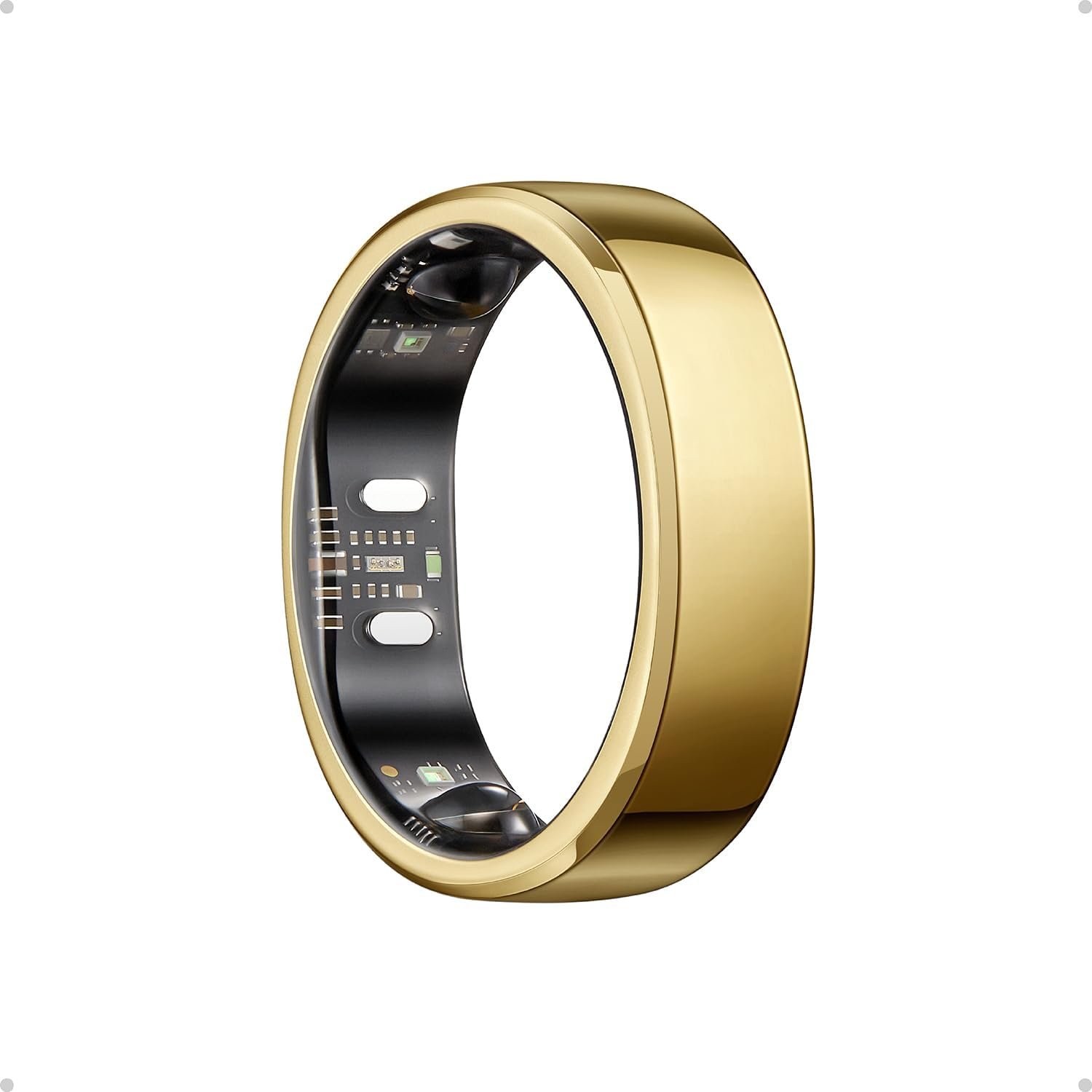
Oura Ring 5 combines a sleek gold design with discreet, continuous health tracking. Monitor sleep, heart rate, HRV, activity, recovery and temperature trends to better understand your body and make smarter decisions abou...
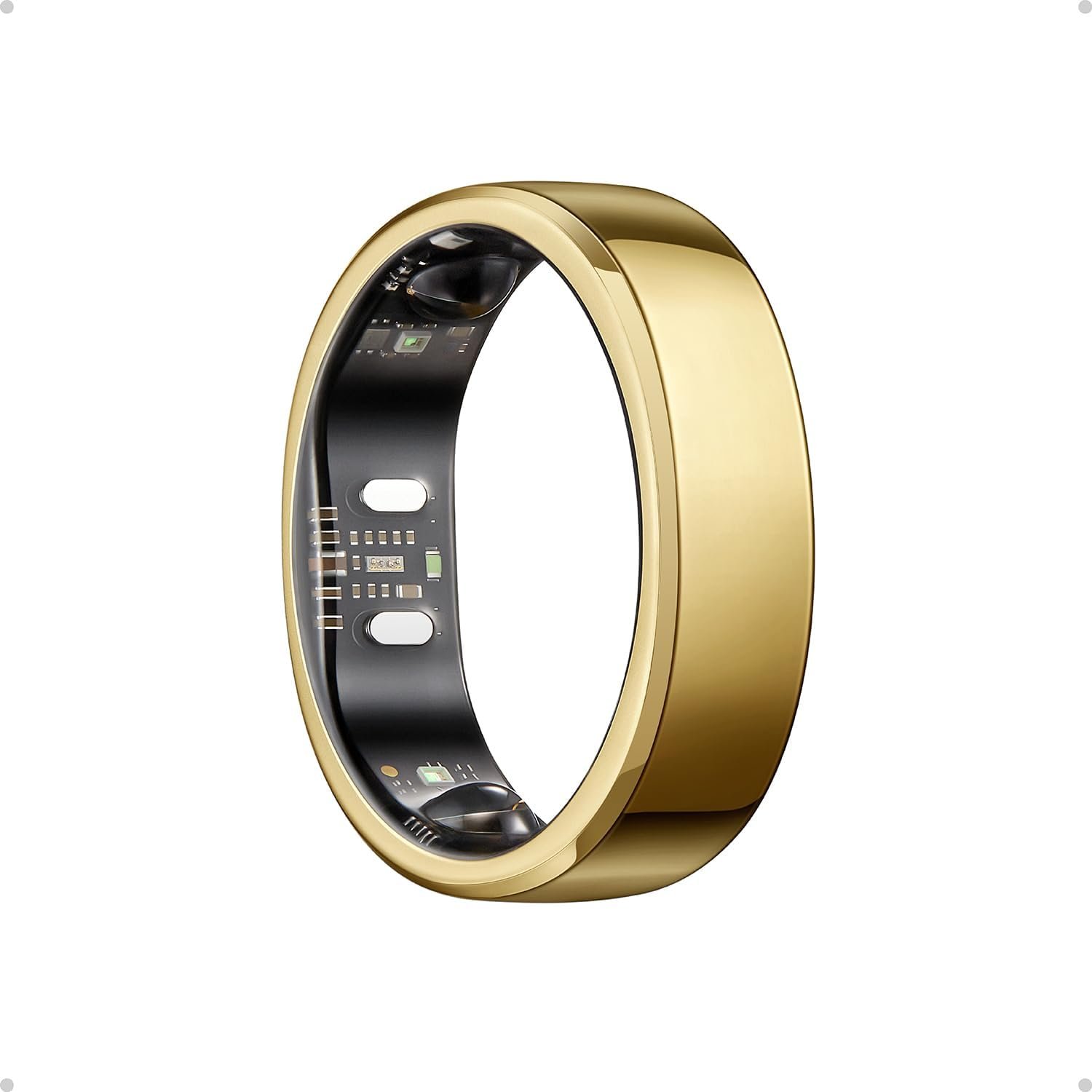
RingConn Gen 3 Smart Ring delivers discreet, screen-free health tracking without the bulk of a smartwatch. It monitors sleep, heart rate, HRV, blood oxygen, activity and vascular trends, helping you spot changes earlier,...
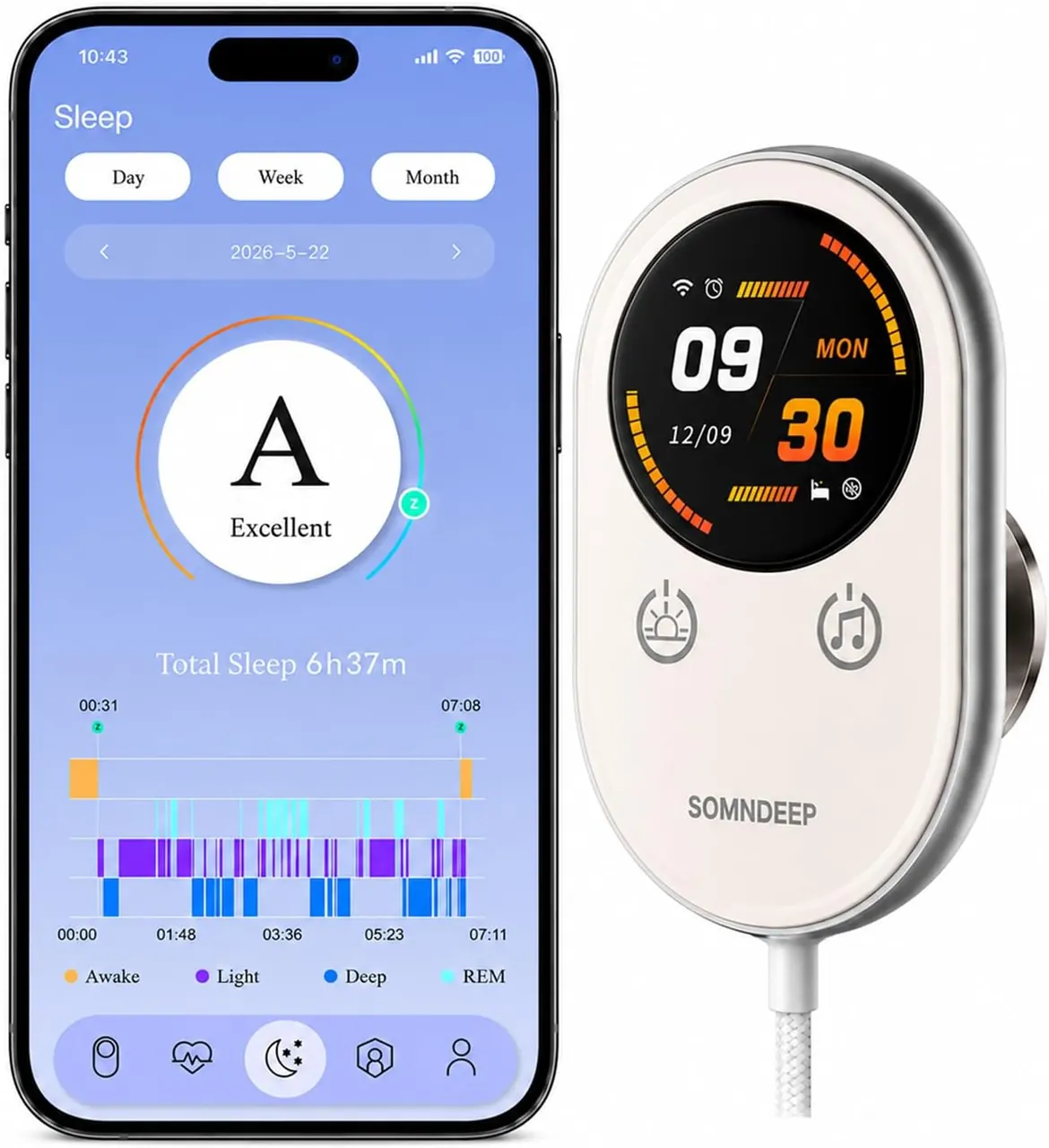
A contactless smart sleep tracker monitors your sleep without requiring you to wear a watch, ring or sensor. Designed for effortless overnight tracking, it can provide insights into sleep duration, movement and other sle...
Apple Watch for Sleep Tracking
Apple Watch combines sleep tracking with a broader health and smartwatch ecosystem. Current models provide sleep stages, sleep score, heart rate, HRV and other overnight measurements. Supported models and markets also offer sleep apnea notifications.
The biggest advantage is that Apple Watch is not only a sleep tracker. It also handles notifications, apps, workouts, GPS, calls and other everyday smartwatch functions.
The main tradeoff is battery life. Apple Watch is designed around regular charging, although fast charging can make it easier to maintain overnight wear.
Who should consider Apple Watch?
Apple Watch makes the most sense for an iPhone owner who wants one device for sleep, health, fitness and everyday smartwatch functions.
What should you check before buying?
- Your exact iPhone compatibility
- Battery and charging requirements
- Whether the health features you want are available in your country
- Whether you need cellular connectivity
- Whether you will actually wear it overnight
See our dedicated guide to Best Sleep Trackers for Apple Users .
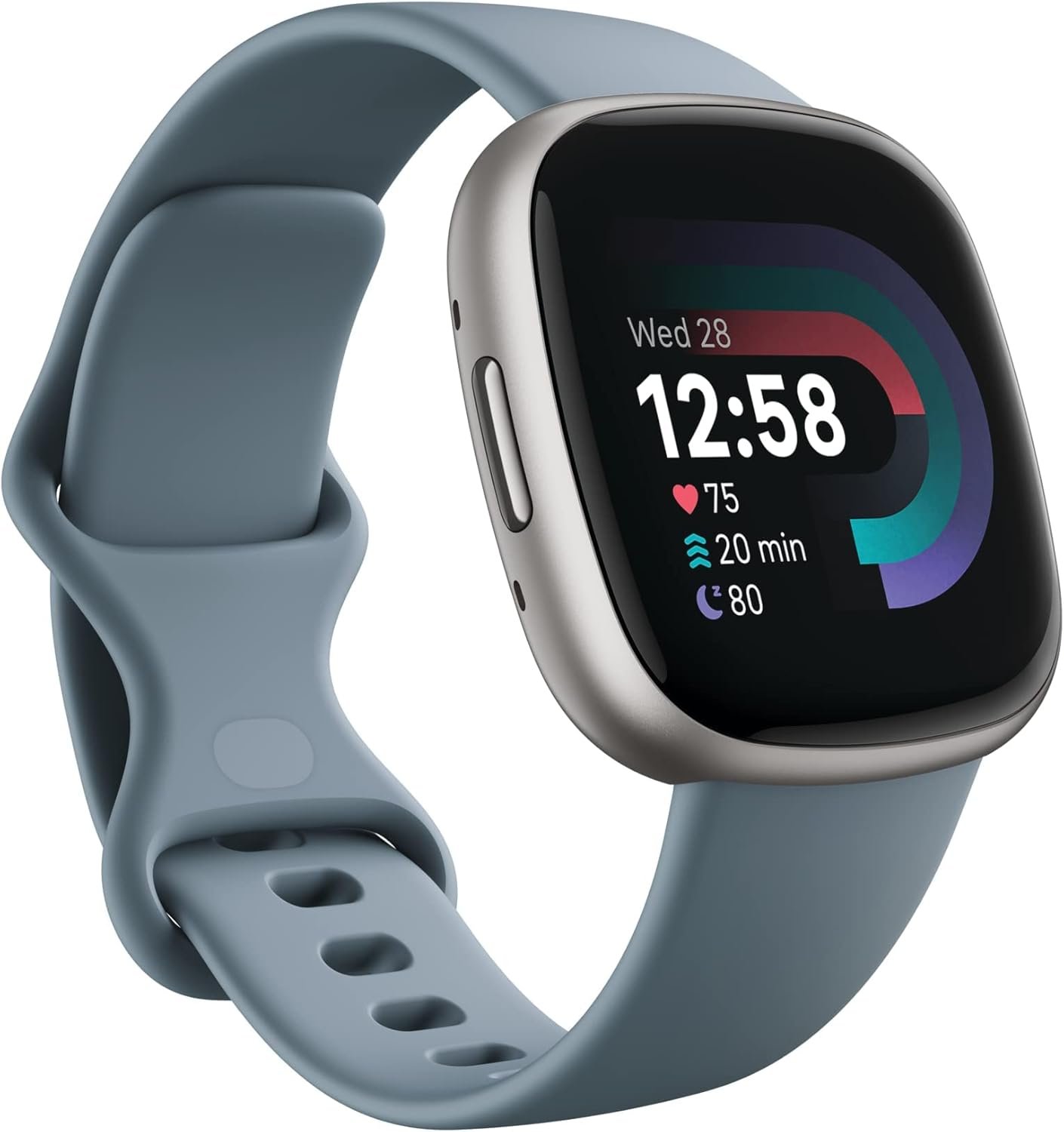
Google Fitbit Versa 4 in Waterfall Blue/Platinum combines everyday smartwatch features with fitness and wellness tracking. It monitors activity, heart rate, workouts and sleep while offering a slim, comfortable design an...
Samsung Galaxy Watch for Sleep Tracking
Samsung Galaxy Watch is one of the more complete choices for Android users who want sleep tracking without giving up smartwatch functionality.
Samsung Health can track sleep duration, sleep stages, sleep score, blood oxygen during sleep and snoring information. Newer Galaxy Watch models also provide additional sleep coaching and analysis features.
The strongest experience is generally for people already using Samsung Galaxy phones because Samsung Health and the Galaxy ecosystem are closely integrated.
Who should consider Galaxy Watch?
It is a logical option for Samsung Galaxy owners who want sleep tracking, workouts, notifications and other smartwatch functions in one device.
What should you check before buying?
- Android compatibility
- Samsung phone requirements for specific health features
- Battery life for your usage pattern
- Availability of health features in your region
Android users who want to compare alternatives can also read Best Sleep Trackers for Android Users .
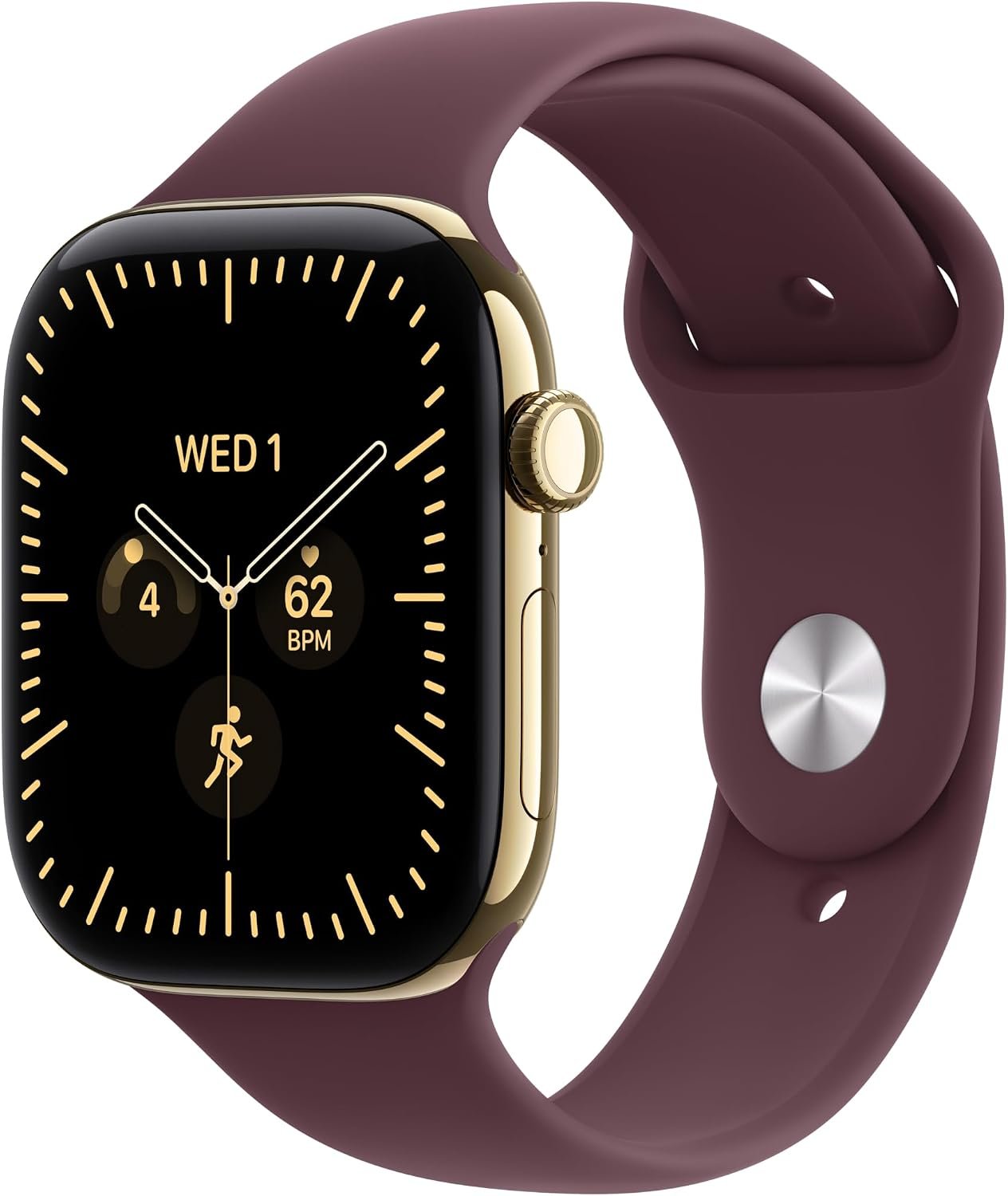
For U.S. buyers seeking a versatile everyday smartwatch, Apple Watch Series 12 GPS + Cellular offers a large 46mm display with health, fitness, sleep and safety features. Track heart rate, activity and workouts while sta...
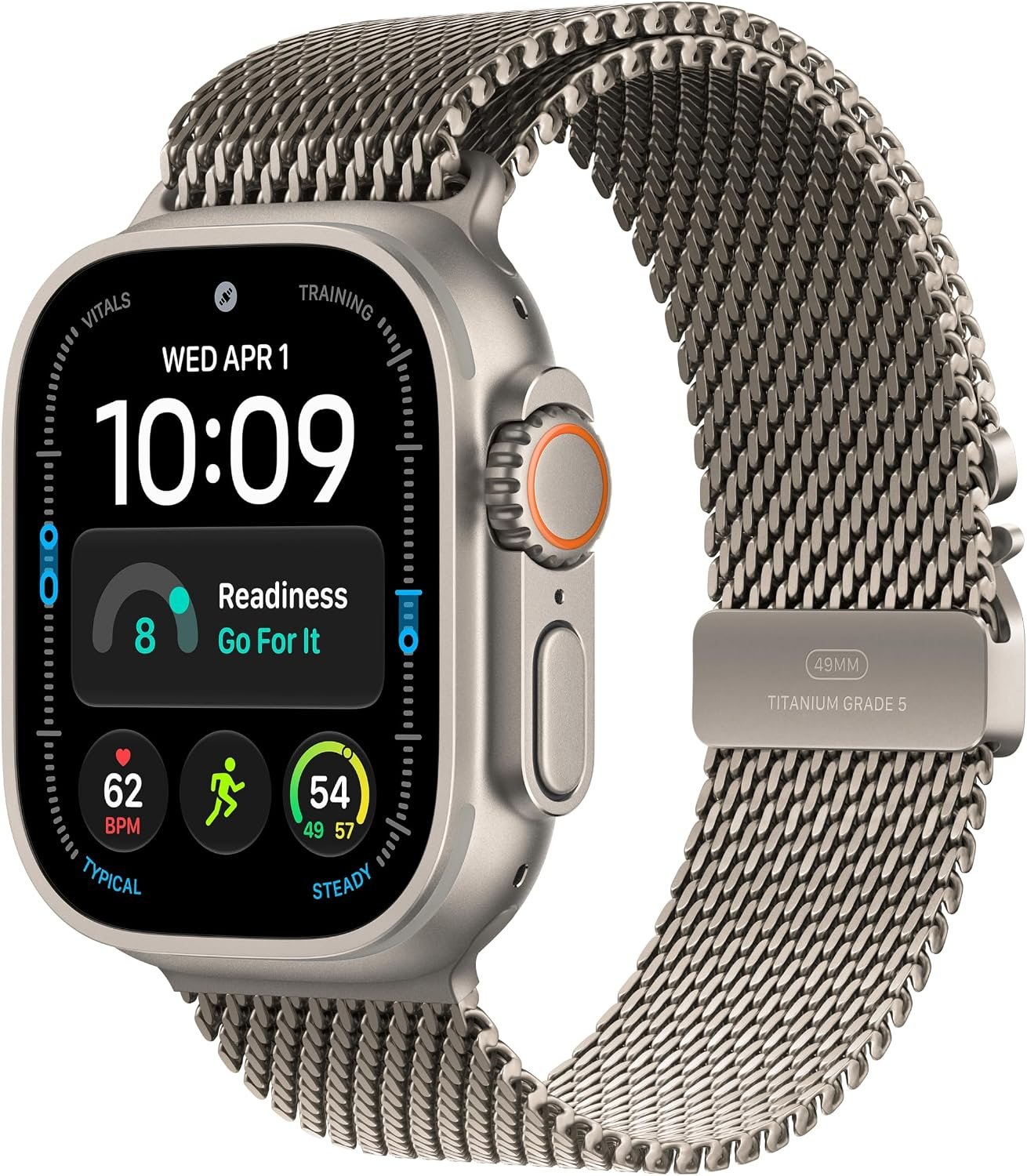
For U.S. buyers looking for a premium smartwatch, Apple Watch Ultra 4 GPS + Cellular combines a rugged 49mm design with advanced health, fitness and safety features. Track sleep, heart rate, workouts and activity while s...
Garmin for Sleep, Fitness and Recovery
Garmin takes a more fitness-oriented approach to wearable health tracking.
Compatible Garmin watches track sleep duration and stages and can combine sleep with HRV, training load, recovery time, Body Battery and Training Readiness.
That connection between sleep and training is one of the reasons Garmin is worth considering for runners, cyclists, gym users and other people who exercise regularly.
Battery life is another major consideration. Some Garmin watches can run for many days between charges, making overnight wear easier to maintain.
Who should consider Garmin?
Garmin is particularly relevant if you want your sleep data to help inform training and recovery rather than simply tracking how long you slept.
What should you check before buying?
- The exact Garmin model
- Which recovery features that model supports
- GPS requirements
- Battery life in your chosen size
- Whether the fitness features are more advanced than you actually need
For a deeper comparison, see Best Sleep Trackers for Athletes and Recovery .
Fitbit for Sleep Tracking
Fitbit has long focused on activity, sleep and wellness tracking.
Supported Fitbit devices can track sleep duration, REM, light and deep sleep, along with sleep score and other overnight measurements. Some models also provide oxygen-variation and SpO2-related information.
A Fitbit tracker can make sense if you care more about sleep and everyday wellness than having a large smartwatch screen with apps and calls.
Who should consider Fitbit?
Fitbit is worth considering for buyers who want a relatively straightforward health and activity wearable and do not necessarily need a full smartwatch.
What should you check before buying?
- Which sleep metrics are included with the specific device
- Which features require Fitbit Premium
- Battery life
- Whether you prefer a tracker or full smartwatch
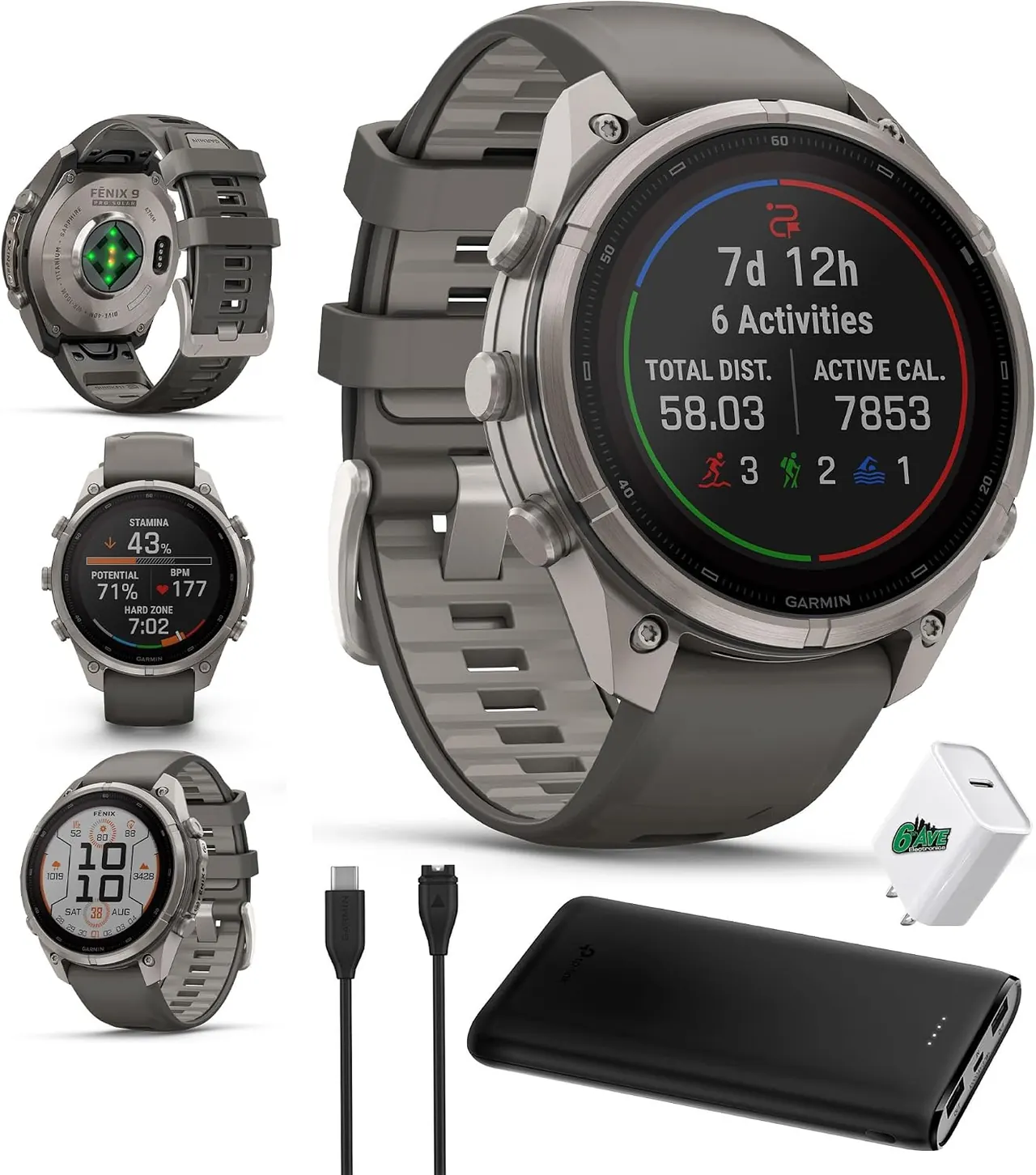
Garmin Fenix 9 Pro Solar combines a rugged titanium design with advanced GPS, fitness, health and outdoor tracking. Its solar charging capability helps extend battery life, while detailed training, recovery and navigatio...
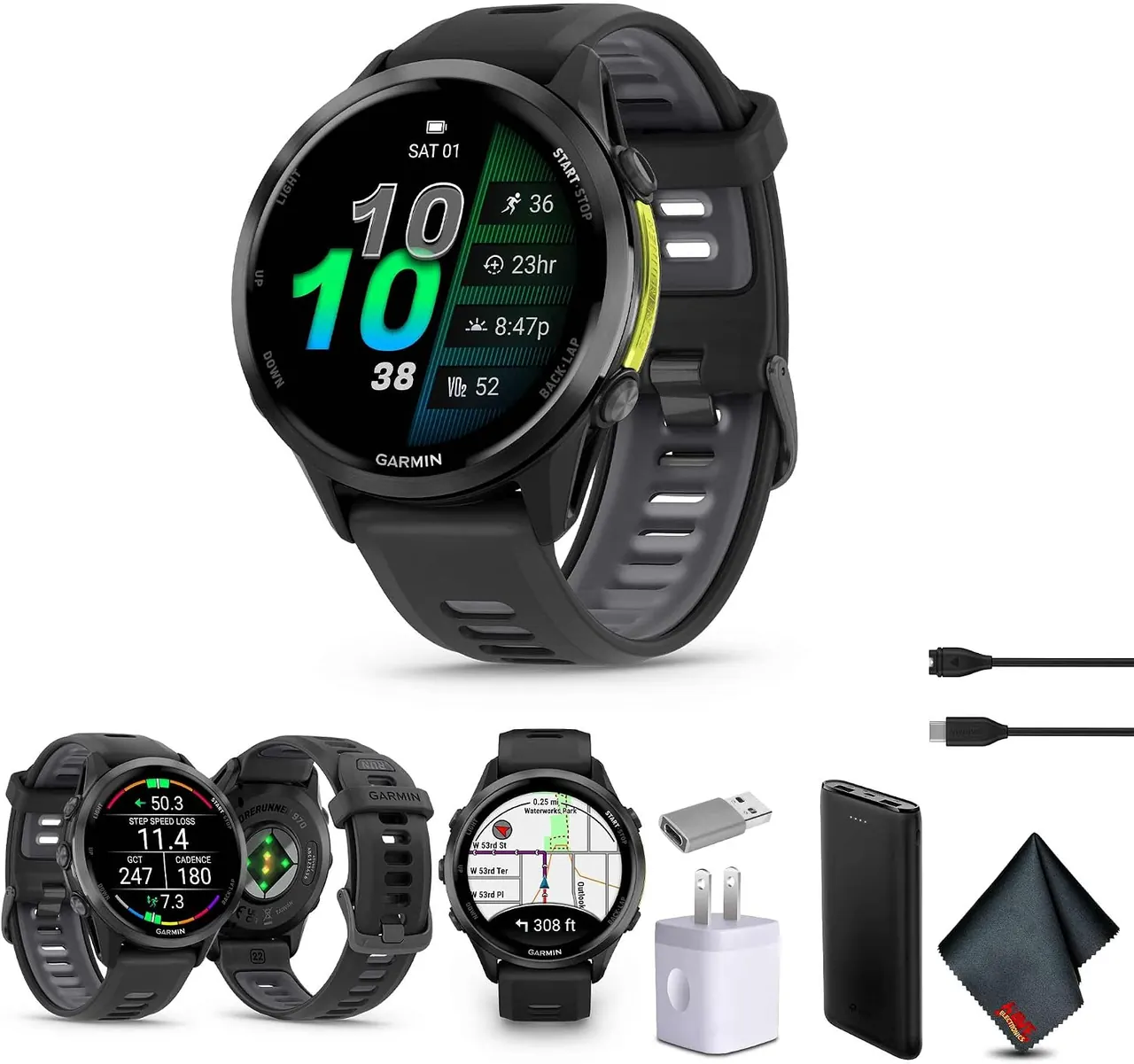
Garmin Forerunner 970 is a premium running smartwatch designed for serious runners and endurance athletes. It combines advanced training metrics, GPS, recovery and health tracking with performance insights to help you mo...
Google Pixel Watch for Sleep Tracking
Pixel Watch combines Wear OS smartwatch functionality with Google's health and fitness ecosystem.
Current Pixel Watch models provide sleep tracking, sleep stages, heart rate, HRV and other health measurements, while Google's Fitbit ecosystem contributes additional health and fitness functionality.
Pixel Watch is particularly interesting for Android users who want a traditional smartwatch rather than a dedicated fitness tracker.
Who should consider Pixel Watch?
Consider it if you use Android and want Google services, Wear OS apps and Fitbit health functionality in the same device.
What should you check before buying?
- Android compatibility
- Battery life
- Google/Fitbit premium features
- Which health features are available in your market
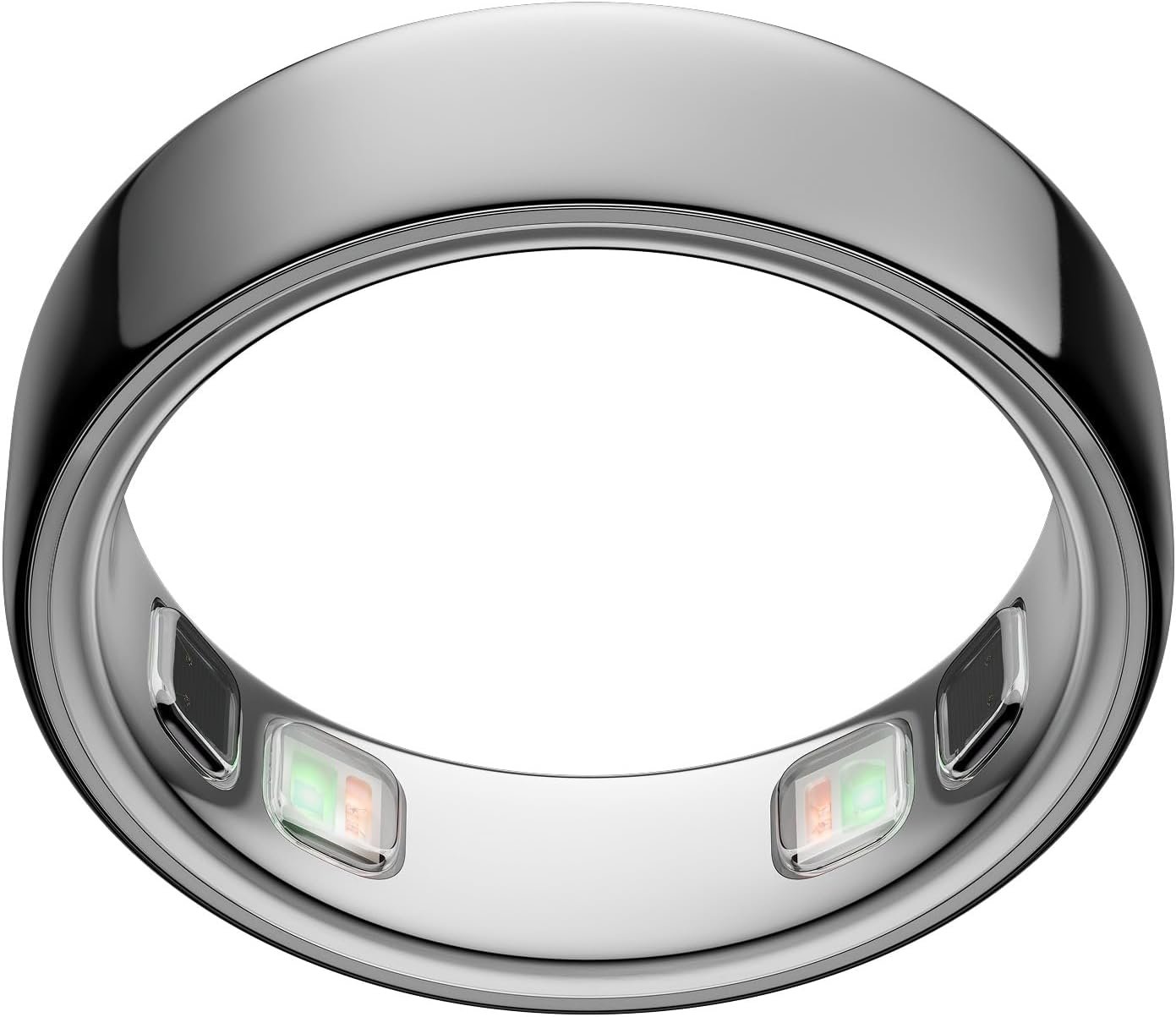
Oura Ring 5 is a discreet smart wearable for people who want detailed health insights without wearing a smartwatch. It tracks sleep, heart rate, HRV, activity, recovery and temperature trends, helping you understand your...
WHOOP: A Different Kind of Sleep Tracker
WHOOP deserves separate consideration because it is not really competing with Apple Watch or Galaxy Watch on smartwatch functionality.
WHOOP is a screenless wearable focused heavily on sleep, strain and recovery. The device is designed to be worn continuously, and its current platform advertises more than two weeks of battery life.
The major difference is its membership model. WHOOP's subscription is central to the product rather than an optional add-on.
Who should consider WHOOP?
WHOOP is most relevant if sleep, training load and recovery are your primary interests and you do not need a conventional smartwatch on your wrist.
Who may want something else?
If you want calls, notifications, apps, a display, GPS navigation and traditional smartwatch functionality, Apple Watch, Galaxy Watch, Pixel Watch or Garmin may fit your use case better.
Battery Life: The Overlooked Sleep Tracking Feature
A smartwatch with excellent sensors is not very useful for sleep tracking if you regularly remove it at night to charge it.
This makes charging behavior part of the buying decision.
Apple Watch and Pixel Watch generally require more frequent charging than many Garmin watches. Fitbit trackers can offer longer battery life, while WHOOP is designed for extended continuous wear.
Do not compare battery claims as if they were guaranteed real-world figures. GPS, LTE, always-on displays, health sensors and other settings can significantly change actual runtime.
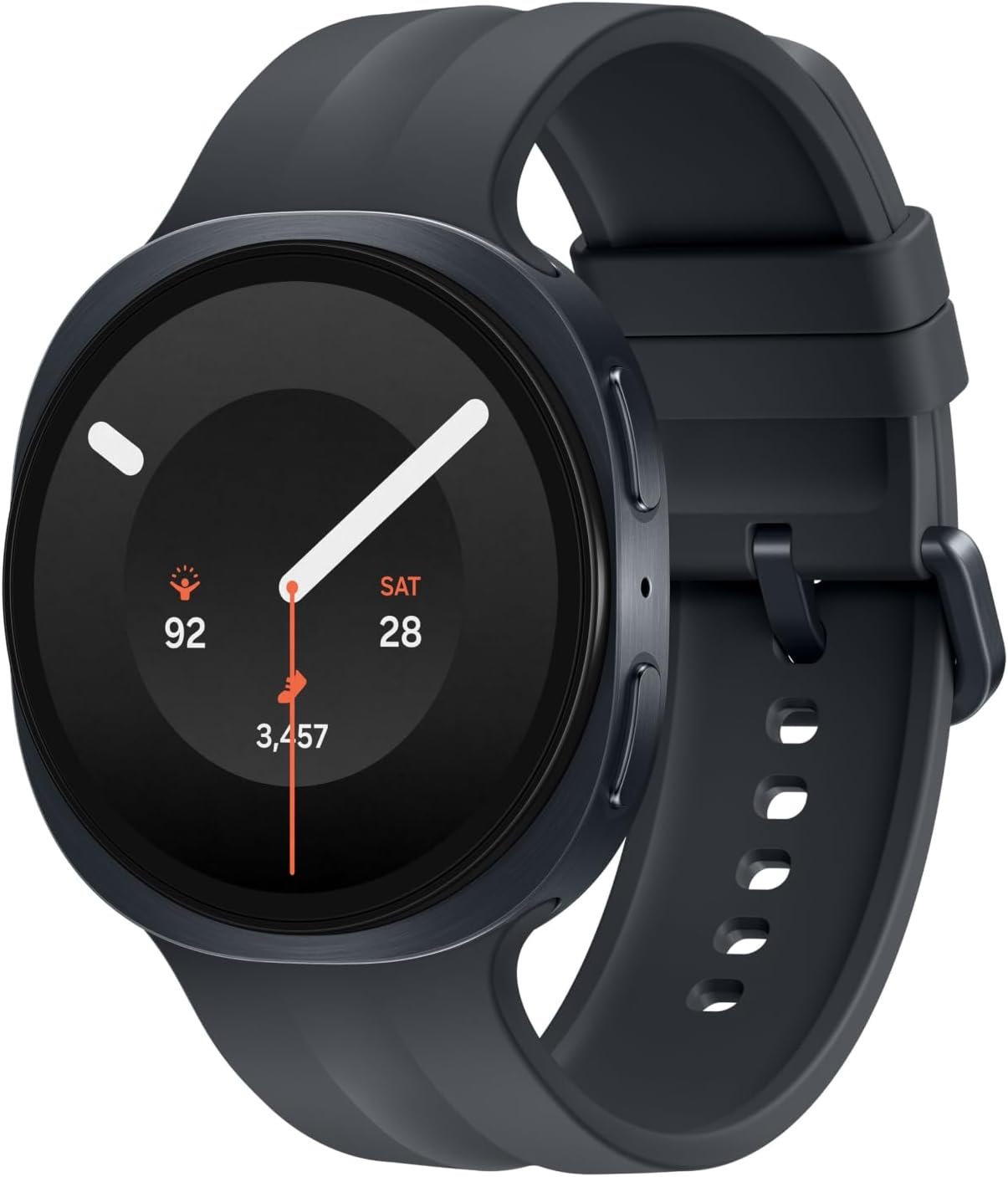
Samsung Galaxy Watch9 in Graphite with a 44mm case combines a sleek design with advanced health, fitness, sleep, and everyday smartwatch features. It tracks workouts, heart rate, sleep and activity while keeping calls, m...
Do You Need a Subscription?
Subscription costs are easy to overlook when comparing wearable prices.
A device that costs less initially can become more expensive over several years if important insights require a monthly or annual membership.
Before buying, check whether the features you care about are included in the hardware purchase.
- Basic sleep duration
- Sleep stages
- HRV
- Historical trends
- Recovery scores
- Readiness or coaching
- Advanced health reports
WHOOP is the clearest example of a membership-first model. Fitbit and Google's ecosystem also have premium services, while many traditional smartwatch platforms provide a substantial amount of health and sleep functionality without a mandatory membership.
For buyers who want to avoid recurring fees, see Best Sleep Trackers Without a Subscription .
How Important Is HRV?
HRV can be useful, particularly when you are interested in recovery.
But it should not be treated as a universal score where a higher number automatically means better health.
Sleep, exercise, stress, alcohol, illness and other factors can affect HRV. The more useful approach is to establish your own normal range and pay attention to meaningful changes over time.
For a deeper look at this topic, see Best Sleep Trackers for Stress and HRV Tracking .
Garmin Forerunner 970 is a premium running smartwatch designed for serious runners and endurance athletes. It combines advanced training metrics, GPS, recovery and health tracking with performance insights to help you mo...
How Useful Is SpO2 for Sleep Tracking?
Blood oxygen measurements can provide another data point about overnight physiology.
However, consumer wearables are not equivalent to clinical monitoring. Sensor fit, movement and sleeping position can influence readings.
If a wearable repeatedly reports unusual oxygen patterns, particularly alongside symptoms such as loud snoring or excessive daytime sleepiness, treat the data as a reason to discuss the issue with a healthcare professional rather than attempting to diagnose yourself from the watch.
How Accurate Are Smartwatch Sleep Stages?
Sleep stages from consumer wearables are estimates.
Clinical sleep studies can directly measure brain activity and other physiological signals. Smartwatches instead infer sleep stages using combinations of movement, heart rate, HRV and other sensor information.
That does not make the data useless. It simply means the most sensible use is to look for patterns over time rather than treating every individual sleep-stage number as exact.
For U.S. buyers looking for a premium smartwatch, Apple Watch Ultra 4 GPS + Cellular combines a rugged 49mm design with advanced health, fitness and safety features. Track sleep, heart rate, workouts and activity while s...
Can a Smartwatch Detect Sleep Apnea?
Some current wearables can identify patterns associated with possible sleep-disordered breathing.
Apple Watch provides sleep apnea notifications on supported models and markets. Samsung also offers sleep-apnea-related features on compatible Galaxy Watch models.
These features can be useful for identifying a reason to seek further evaluation, but they are not a substitute for a clinical diagnosis or sleep study.
Read Best Wearables for Sleep Apnea Tracking for a more detailed guide.
A contactless smart sleep tracker monitors your sleep without requiring you to wear a watch, ring or sensor. Designed for effortless overnight tracking, it can provide insights into sleep duration, movement and other sle...
Smartwatch vs Sleep Ring vs Screenless Tracker
| Wearable | Best for | Tradeoff |
|---|---|---|
| Smartwatch | Sleep plus fitness, notifications and apps | Larger and usually needs more frequent charging |
| Sleep ring | Small, discreet overnight tracking | Limited smartwatch functionality |
| Screenless recovery wearable | Sleep, strain and recovery | Often subscription-based |
If comfort is your main concern, see Best Sleep Tracking Rings.
Buyer Checklist: Before You Purchase
| Question | What to check | Why it matters |
|---|---|---|
| What phone do I use? | iPhone or Android compatibility | Avoids ecosystem problems |
| Will I wear it overnight? | Size, weight and comfort | No overnight wear means no sleep data |
| How often will I charge it? | Realistic battery life | Reduces missed nights |
| Do I care about recovery? | HRV, readiness and recovery features | Useful for training and wellness |
| Do I need fitness tracking? | GPS, workouts and training metrics | Can replace a separate fitness device |
| Do I want SpO2? | Overnight oxygen measurements | Adds another physiological data point |
| Do I want a subscription? | Premium feature requirements | Changes long-term ownership cost |
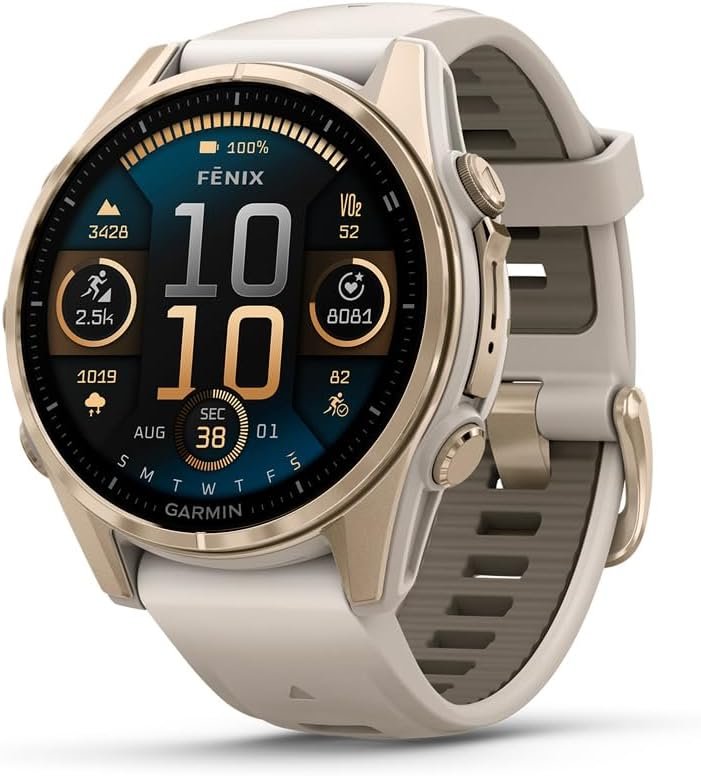
Garmin fēnix 8 Sapphire 43mm combines a compact, rugged design with advanced fitness, health and outdoor tracking. It offers detailed workout metrics, GPS navigation, sleep and recovery insights, making it a strong choic...
Common Buying Mistakes
Choosing based only on the number of sleep features
More metrics do not automatically mean a better experience. Comfort, battery life and useful interpretation can matter more.
Ignoring your phone ecosystem
Compatibility should be checked before comparing sensors. Apple Watch, Galaxy Watch and Pixel Watch all have ecosystem-specific considerations.
Ignoring charging habits
If you want consistent sleep data, your charging routine matters almost as much as the watch's battery specification.
Paying for features you will never use
Recovery scores, advanced coaching and detailed training metrics can be valuable, but they are not necessary for everyone.
Treating wearable data as a diagnosis
Smartwatch measurements are useful for tracking trends and identifying changes, but they do not replace professional medical evaluation.
Google Fitbit Versa 4 in Waterfall Blue/Platinum combines everyday smartwatch features with fitness and wellness tracking. It monitors activity, heart rate, workouts and sleep while offering a slim, comfortable design an...
Which Sleep Tracker Fits Your Use Case?
Start with Apple Watch if you want a conventional smartwatch alongside sleep and health tracking. If you mainly want sleep data and prefer a smaller wearable, compare dedicated trackers and rings as well.
See Best Sleep Trackers for Apple Users .
For Android users
Compare Galaxy Watch, Pixel Watch and Garmin based on your phone, fitness requirements, battery expectations and preferred health ecosystem.
See Best Sleep Trackers for Android Users .
For athletes
Focus on the relationship between sleep and training. HRV, recovery, training load, readiness, GPS and battery life may matter more than the number of sleep-stage categories displayed in the app.
See Best Sleep Trackers for Athletes and Recovery .
For stress and recovery tracking
Look for overnight HRV, personal baselines and recovery trends rather than a single daily score.
See Best Sleep Trackers for Stress and HRV Tracking .
For older adults
Ease of use, screen readability, battery life, comfort and relevant health features can become more important than advanced training metrics.
See Best Sleep Trackers for Older Adults .
For women
Depending on the device, cycle tracking, skin temperature and related health features may be useful alongside sleep tracking.
Frequently Asked Questions
Which smartwatch is best for sleep tracking?
There is no single choice that fits every buyer. Apple Watch is closely integrated with iPhone, Galaxy Watch is particularly suited to Samsung and Android users, Garmin emphasizes fitness and recovery, Pixel Watch combines Google and Fitbit functionality, Fitbit focuses strongly on wellness, and WHOOP specializes in sleep, strain and recovery.
Is Apple Watch good for sleep tracking?
Yes. Current Apple Watch models provide sleep stages, sleep score, HRV and other overnight health information. Supported models and markets also offer sleep apnea notifications. The main consideration is the need for regular charging.
Is Garmin good for sleep tracking?
Yes. Garmin provides sleep tracking and connects it with HRV, recovery and training features on compatible models. This makes it particularly relevant to active users.
Does Fitbit track REM and deep sleep?
Supported Fitbit devices can estimate REM, light and deep sleep along with sleep duration and sleep score.
Does Pixel Watch track sleep?
Yes. Pixel Watch provides sleep tracking and sleep-stage information alongside other health and fitness measurements.
Is WHOOP a smartwatch?
No. WHOOP is a screenless wearable focused on sleep, strain and recovery. It does not provide the traditional smartwatch experience of a display, apps and wrist notifications.
Do I need a subscription for sleep tracking?
Not necessarily. Many conventional smartwatches provide core sleep tracking without a mandatory membership. However, some ecosystems reserve advanced coaching, analytics and historical insights for paid services.
Can a smartwatch diagnose sleep apnea?
No. Some wearables can identify patterns associated with possible sleep apnea and provide notifications or screening-related information, but diagnosis requires appropriate medical evaluation.
Is HRV useful for sleep tracking?
HRV can be useful as part of a broader recovery picture. It is generally more meaningful to track changes against your own baseline than to compare your number with someone else's.
Should I buy a smartwatch or sleep ring?
If you want notifications, GPS, workouts, apps and sleep tracking in one device, a smartwatch offers more functionality. If you mainly want overnight health data and prefer a smaller wearable, a sleep ring may be more comfortable.
Oura Ring 5 combines a sleek gold design with discreet, continuous health tracking. Monitor sleep, heart rate, HRV, activity, recovery and temperature trends to better understand your body and make smarter decisions abou...
Oura Ring 5 is a discreet smart wearable for people who want detailed health insights without wearing a smartwatch. It tracks sleep, heart rate, HRV, activity, recovery and temperature trends, helping you understand your...
RingConn Gen 3 Smart Ring delivers discreet, screen-free health tracking without the bulk of a smartwatch. It monitors sleep, heart rate, HRV, blood oxygen, activity and vascular trends, helping you spot changes earlier,...
Final Takeaway
The best sleep tracker is not necessarily the device with the longest list of sensors.
For most buyers, the better question is whether the device fits your phone, is comfortable enough to wear every night, lasts long enough between charges and provides information you can actually use.
Apple Watch, Galaxy Watch, Garmin, Fitbit, Pixel Watch and WHOOP take different approaches to that problem. Understanding those differences is more useful than choosing a device simply because it claims to measure the most metrics.
The best sleep wearable is the one you can comfortably wear consistently and whose data helps you make better decisions about sleep, activity and recovery.
Product specifications, features, compatibility, pricing and subscription requirements can change. Check the manufacturer's current U.S. product page before purchasing. Health and sleep measurements from consumer wearables are estimates and are not intended to replace professional medical advice.
CoreAdorn is reader-supported. When you buy through links on our site, we may earn an affiliate commission.
0 Comments
Be the first to comment.
Leave a comment
Please use kind words and keep your comment on topic. Comments are reviewed by the CoreAdorn team before they appear.